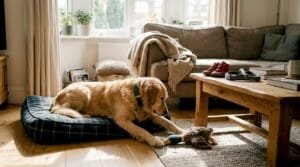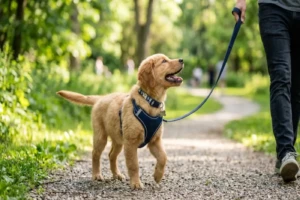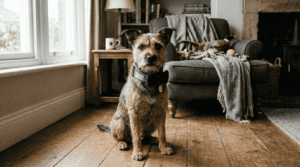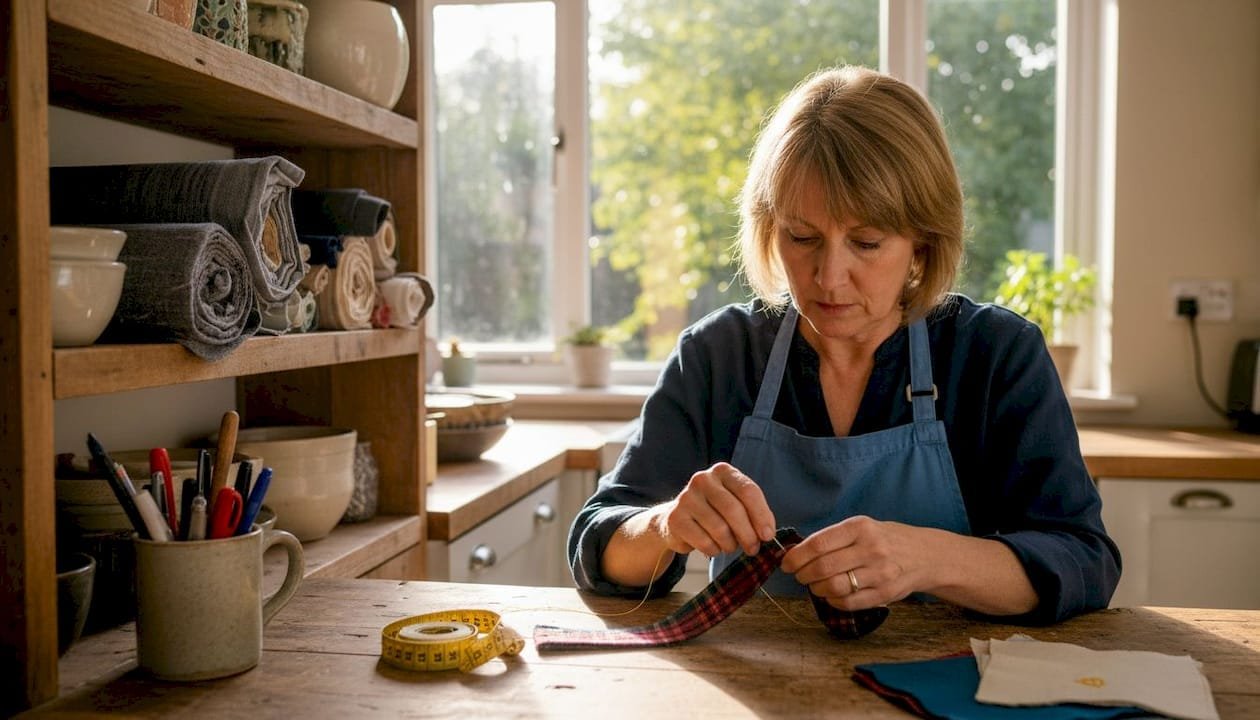
Most people assume dog collars are purely functional items designed to hold a lead and display an ID tag. Yet some collars integrate heritage textiles that carry centuries of cultural history, artisan skill, and distinctive style. Fabrics like Harris tweed and wool tartan transform a simple accessory into a statement piece that honours tradition whilst offering superior durability and comfort. This article explores how these heritage materials elevate dog fashion, the craftsmanship behind them, and why discerning pet owners choose them for their dogs.
Table of Contents
- Key takeaways
- What are heritage textiles and why do they matter in dog collars?
- How heritage textiles influence design and functionality of dog collars
- Comparing heritage textiles with modern materials in dog collars
- How to choose and care for heritage textile dog collars
- Discover stylish heritage textile collars and accessories
- Frequently asked questions
Key Takeaways
| Point | Details |
|---|---|
| Cultural textile heritage | Heritage textiles bring historical narratives and an authentic style to dog collars. |
| Craftsmanship through tradition | The fabrics are handwoven and regulated by protected standards to ensure durability and authenticity. |
| Durability and comfort | Dense weaving and natural fibres enhance comfort on the neck while resisting wear. |
| Ethical and sustainable | Buying heritage collars supports crofters and skilled weavers, sustaining traditional crafts and local communities. |
What are heritage textiles and why do they matter in dog collars?
Heritage textiles represent fabrics produced using traditional methods passed down through generations, often protected by geographical or cultural designations. In the context of dog collars, Harris tweed is 100% virgin wool handwoven in the Outer Hebrides, representing a protected cultural craft with strict production standards. Wool tartan, another heritage textile, features distinctive checked patterns woven in Scotland for centuries, each design often linked to specific clans or regions.
These textiles matter because they bring authenticity and cultural depth to pet accessories. Harris tweed production involves crofters hand weaving wool at pedal looms in their homes across the Outer Hebrides islands, a practice protected by the Harris Tweed Act of 1993. The fabric must meet rigorous standards before earning the Orb trademark, ensuring every metre maintains traditional quality. Tartan weaving similarly follows centuries-old techniques, with patterns registered and protected to preserve their historical significance.
Pet owners who value these textiles appreciate the stories woven into each collar. A Harris tweed collar connects your dog to the windswept landscapes of Scottish islands, whilst tartan patterns might reflect your family heritage or simply celebrate Scottish culture. The textures, colours, and patterns emerge from natural dyeing processes and traditional looms, creating variations that make each piece unique.
Beyond cultural value, heritage textiles offer practical benefits:
- Natural wool fibres regulate temperature, keeping dogs comfortable in various weather conditions
- Dense weaving techniques create fabrics that resist wear and maintain shape over years
- Traditional dyeing methods produce rich, fade-resistant colours that age beautifully
- Breathable natural fibres prevent moisture buildup and skin irritation
Choosing heritage textile collars means supporting artisan communities and preserving endangered crafts. Every purchase helps sustain crofters in remote Scottish islands and weavers who maintain traditional skills. Understanding why Harris tweed for dogs appeals to conscious consumers reveals how these textiles combine aesthetic appeal with ethical production.
Pro Tip: Look for the Harris Tweed Orb trademark on collars to verify authentic handwoven fabric from the Outer Hebrides, ensuring you receive genuine heritage textile quality.
The role of tartan in dog fashion extends beyond mere decoration, connecting modern pets to centuries of Scottish textile tradition whilst delivering functional benefits that synthetic materials cannot match.
How heritage textiles influence design and functionality of dog collars
Heritage fabrics provide natural durability, breathability, and timeless style to dog collars through their inherent material properties and traditional construction methods. Harris tweed’s tight weave creates a fabric that withstands daily wear whilst maintaining softness against your dog’s neck. The wool’s natural lanolin content provides water resistance, allowing collars to shed light rain and dry quickly without developing odours.
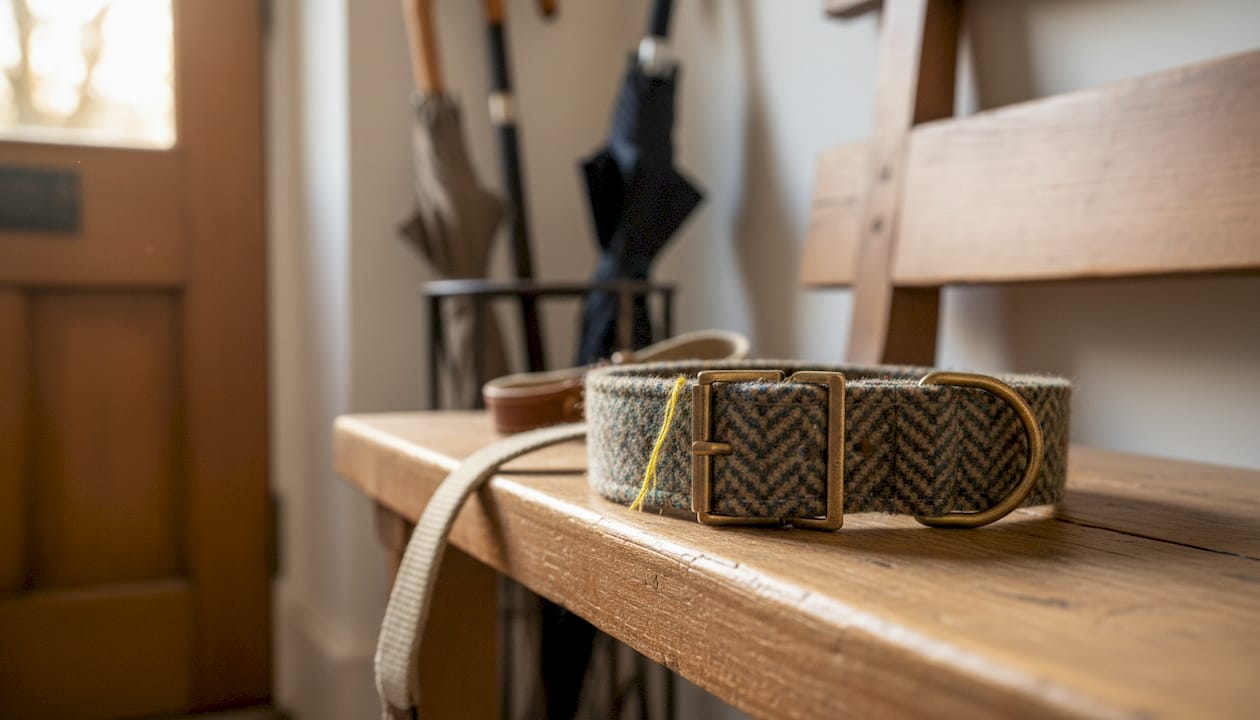
Design distinctiveness emerges from the heritage textile’s visual character. Harris tweed features subtle flecks and variations created during hand dyeing and weaving, producing depth that machine-made fabrics cannot replicate. Tartan patterns offer bold, recognisable designs with precise colour combinations that make collars instantly eye-catching. These textiles bring sophistication to dog accessories, elevating them from purely functional items to fashion statements.
| Feature | Harris Tweed Collars | Tartan Wool Collars |
|---|---|---|
| Texture | Textured with visible weave variations | Smooth with defined pattern lines |
| Pattern style | Subtle flecks and herringbone | Bold checks and stripes |
| Cultural connection | Outer Hebrides crofting tradition | Scottish clan and regional heritage |
| Colour palette | Earth tones with natural dye variations | Vibrant primary and secondary colours |
| Typical use | Everyday wear, country walks | Special occasions, heritage celebration |
Artisan manufacturing directly impacts collar quality and style. Craftspeople select premium cuts of heritage fabric, paying attention to pattern placement to showcase the textile’s best features. They reinforce stress points with careful stitching and choose hardware that complements the fabric’s character. This attention to detail ensures collars remain beautiful and functional through years of use.
Heritage textiles resist wear better than synthetic materials due to wool’s natural elasticity and strength. Individual fibres can bend thousands of times without breaking, whilst synthetic materials often develop permanent creases or tears. The fabric’s structure allows it to recover from compression, maintaining its shape even after your dog pulls on the lead.
Practical examples demonstrate these benefits. A stunning Harris Tweed dog collar in charcoal grey with rust flecks pairs beautifully with working breeds whilst providing the durability needed for active lifestyles. A multi coloured pattern dog collar in Royal Stewart tartan brings festive flair to special occasions whilst maintaining everyday wearability.
Key functional advantages include:
- Natural antimicrobial properties reduce bacterial growth and odour development
- Wool fibres absorb moisture without feeling damp, maintaining comfort during exercise
- Dense weaving prevents fraying at edges and buckle holes
- Traditional construction methods create stronger seams than mass production techniques
Pro Tip: Choose Harris tweed for dogs who spend time outdoors in variable weather, as the fabric’s natural properties handle moisture and temperature changes better than synthetic alternatives.
The combination of heritage aesthetics and functional superiority makes these collars worthwhile investments for owners who value both style and substance in their dog’s accessories.
Comparing heritage textiles with modern materials in dog collars
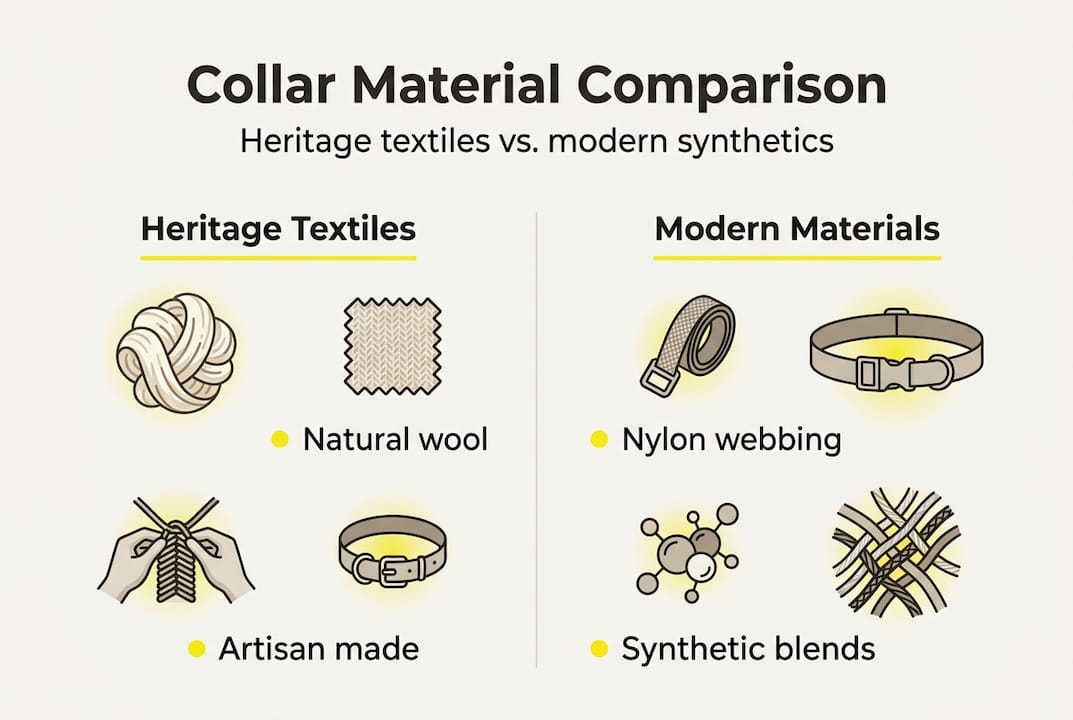
Understanding material differences helps you make informed choices about collar selection. Heritage wool fabrics differ fundamentally from nylon, leather, and synthetic blends in composition, performance, and environmental impact. Each material category offers distinct advantages depending on your priorities and your dog’s needs.
| Material Type | Durability | Maintenance | Eco-friendliness | Style Options | Comfort |
|---|---|---|---|---|---|
| Heritage wool textiles | Excellent long-term | Moderate care needed | High (biodegradable) | Traditional patterns | Superior breathability |
| Nylon webbing | Good for rough use | Easy wash and dry | Low (petroleum-based) | Limited colours | Can cause chafing |
| Leather | Excellent if maintained | Regular conditioning | Moderate (natural material) | Classic look | Stiffens when wet |
| Synthetic blends | Variable quality | Very easy care | Low to moderate | Wide colour range | Often non-breathable |
Heritage textile collars often exceed synthetics in comfort and longevity but may require more thoughtful care. Nylon collars withstand submersion and rough treatment but lack the natural softness and temperature regulation of wool. They can cause friction burns during extended wear and retain odours more readily than natural fibres.
Leather collars offer timeless appeal and exceptional durability when properly maintained. However, they require regular conditioning to prevent cracking and can become uncomfortable when wet. Heritage textiles provide similar longevity without the maintenance demands, as wool naturally resists dirt and maintains flexibility.
Care instructions vary significantly:
- Heritage textiles benefit from spot cleaning with cool water and mild wool-safe detergent, air drying flat
- Nylon collars tolerate machine washing and quick drying but may fade with repeated laundering
- Leather demands leather conditioner application every few months and protection from prolonged moisture
- Synthetic blends usually accept machine washing but may pill or lose shape over time
Pet comfort considerations favour heritage textiles for sensitive dogs. Natural wool fibres move with your dog’s neck without creating pressure points, whilst synthetic materials can dig into skin during activity. The breathability of wool prevents the moisture buildup that causes skin irritation, particularly important for dogs with thick coats or those living in humid climates.
Owner satisfaction often correlates with aesthetic preferences and lifestyle factors. Heritage textile collars appeal to those who appreciate craftsmanship and cultural significance, whilst synthetic options suit owners prioritising convenience and low cost. Understanding these trade-offs helps you select collars aligned with your values.
Environmental and cultural value considerations increasingly influence purchasing decisions. Natural wool biodegrades completely within years when discarded, whilst synthetic materials persist in landfills for decades. Supporting heritage textile production preserves endangered crafts and sustains artisan communities, adding ethical dimensions to your choice.
Exploring types of dog collars style and comfort reveals how material selection impacts both daily function and long-term satisfaction. For owners seeking premium accessories that balance performance with sustainability, heritage textiles offer compelling advantages despite their higher initial cost.
Consider also how different materials suit various activities. Heritage textiles excel for everyday wear and moderate activity, whilst heavy-duty nylon might better serve working dogs in extreme conditions. Many owners maintain multiple collars, using pet travel accessories in synthetic materials for beach trips whilst reserving heritage textile pieces for regular walks and social occasions.
How to choose and care for heritage textile dog collars
Selecting the right heritage textile collar requires attention to several key factors that ensure both proper fit and aesthetic satisfaction. Start by accurately measuring your dog’s neck, adding two fingers’ width to the measurement for comfortable wearing. Heritage textiles have minimal stretch compared to elastic materials, so precise sizing matters for safety and comfort.
Follow these steps for accurate measurement:
- Use a soft measuring tape around the widest part of your dog’s neck, typically just below the ears
- Add 5 centimetres to the measurement for adjustability and comfort
- Check the collar’s adjustable range to ensure your measurement falls within the middle portion
- Consider your dog’s coat thickness, as fluffy breeds need extra room
- Verify buckle and D-ring placement allows proper lead attachment without twisting
Colour and pattern selection should complement your dog’s coat whilst reflecting your personal style. Dark Harris tweeds in charcoal, navy, or forest green suit dogs with lighter coats, creating elegant contrast. Lighter tweeds in oatmeal or sage work beautifully with darker-coated breeds. Tartan patterns offer more flexibility, with vibrant designs standing out against any coat colour.
Matching textiles to your dog’s personality adds another dimension to selection. Bold, energetic dogs might suit bright tartan patterns that reflect their lively nature, whilst calm, dignified dogs look magnificent in subtle Harris tweed textures. Consider where you’ll wear the collar most often, choosing patterns appropriate for your typical activities and social settings.
Cleaning heritage textile collars requires gentle techniques that preserve fabric integrity. Spot clean minor marks with cool water and a soft cloth, dabbing rather than rubbing to avoid disturbing the weave. For deeper cleaning, hand wash in cool water with wool-specific detergent, gently squeezing without wringing or twisting the fabric.
Drying methods matter significantly for maintaining collar shape and texture. Lay collars flat on a clean towel away from direct heat or sunlight, reshaping them to original dimensions whilst damp. Never tumble dry or hang heritage textile collars, as these methods can distort the fabric and hardware. Allow 24 to 48 hours for complete air drying before reuse.
Storage practices extend collar lifespan between wears. Keep collars in a cool, dry location away from direct sunlight, which can fade natural dyes over time. Avoid plastic bags that trap moisture, instead using breathable fabric pouches or simply laying collars flat in a drawer. Check periodically for any signs of moth interest, though the lanolin in wool typically deters these pests.
Pro Tip: Rotate between two collars if possible, allowing each to air out completely between wears and reducing overall wear on individual pieces.
Maintenance advice specific to hardware includes checking buckle and D-ring security monthly, tightening any loose rivets or stitching before problems develop. Wipe metal components with a soft cloth to prevent tarnishing, particularly after exposure to rain or sea air. Quality heritage textile collars feature robust hardware designed for longevity, but periodic inspection ensures continued safety.
Understanding types of dog accessories for stylish pets helps you build a coordinated collection that serves various occasions whilst maintaining the quality standards heritage textiles represent. Proper care ensures these investment pieces remain beautiful and functional for years, justifying their premium cost through extended service life.
Discover stylish heritage textile collars and accessories
If you’re ready to experience the quality and cultural richness heritage textiles bring to dog accessories, Happy Dogs Togs offers carefully curated collections featuring authentic Harris tweed and wool tartan designs. Each piece combines traditional Scottish craftsmanship with contemporary styling, creating collars that honour heritage whilst meeting modern needs.
The selection includes must-have dog accessories that coordinate beautifully, from matching bow ties to leads crafted in complementary fabrics. Whether you seek a sophisticated everyday collar or a special piece for memorable occasions, the range showcases the finest heritage textiles available. Browse collar and harness for dogs options that prioritise both comfort and style, or explore the Harris Tweed dog collars collection to find patterns and colours that perfectly suit your dog’s personality. Each accessory reflects dedication to quality craftsmanship and sustainable production, supporting artisan communities whilst providing your dog with accessories that truly stand apart.
Frequently asked questions
What makes Harris tweed special for dog collars?
Harris tweed stands apart due to its handwoven production by crofters in the Outer Hebrides using 100% virgin wool. The fabric carries protected status under the Harris Tweed Act, ensuring authentic quality and traditional methods. Its dense weave provides exceptional durability whilst natural lanolin offers water resistance, making collars both beautiful and highly functional for active dogs.
How durable are tartan wool collars compared to synthetic ones?
Tartan wool collars offer excellent natural durability with proper care, often outlasting synthetic alternatives in comfort and appearance retention. Wool fibres resist tearing and recover from compression better than many synthetics. However, they require gentler cleaning methods than nylon, which tolerates rougher treatment and machine washing. The trade-off favours wool for owners prioritising longevity and natural materials over maximum convenience.
Can heritage textile collars be used for active dogs?
Yes, heritage textile collars suit active dogs when properly constructed with reinforced stitching and quality hardware. The natural strength and flexibility of wool fabrics handle daily wear and moderate pulling without damage. They excel for walking, hiking, and general activity, though extremely rough conditions like heavy water work might warrant synthetic alternatives. Regular care maintains their performance through years of active use.
Are heritage textile dog collars eco-friendly?
Heritage textile collars rank highly for environmental friendliness due to their natural, biodegradable wool composition and traditional production methods. The fibres decompose completely when discarded, unlike synthetic materials that persist for decades. Supporting heritage textile production also preserves artisan crafts and sustains rural communities, adding cultural sustainability to environmental benefits. Choosing these collars aligns with conscious consumption values whilst reducing your pet’s environmental pawprint.