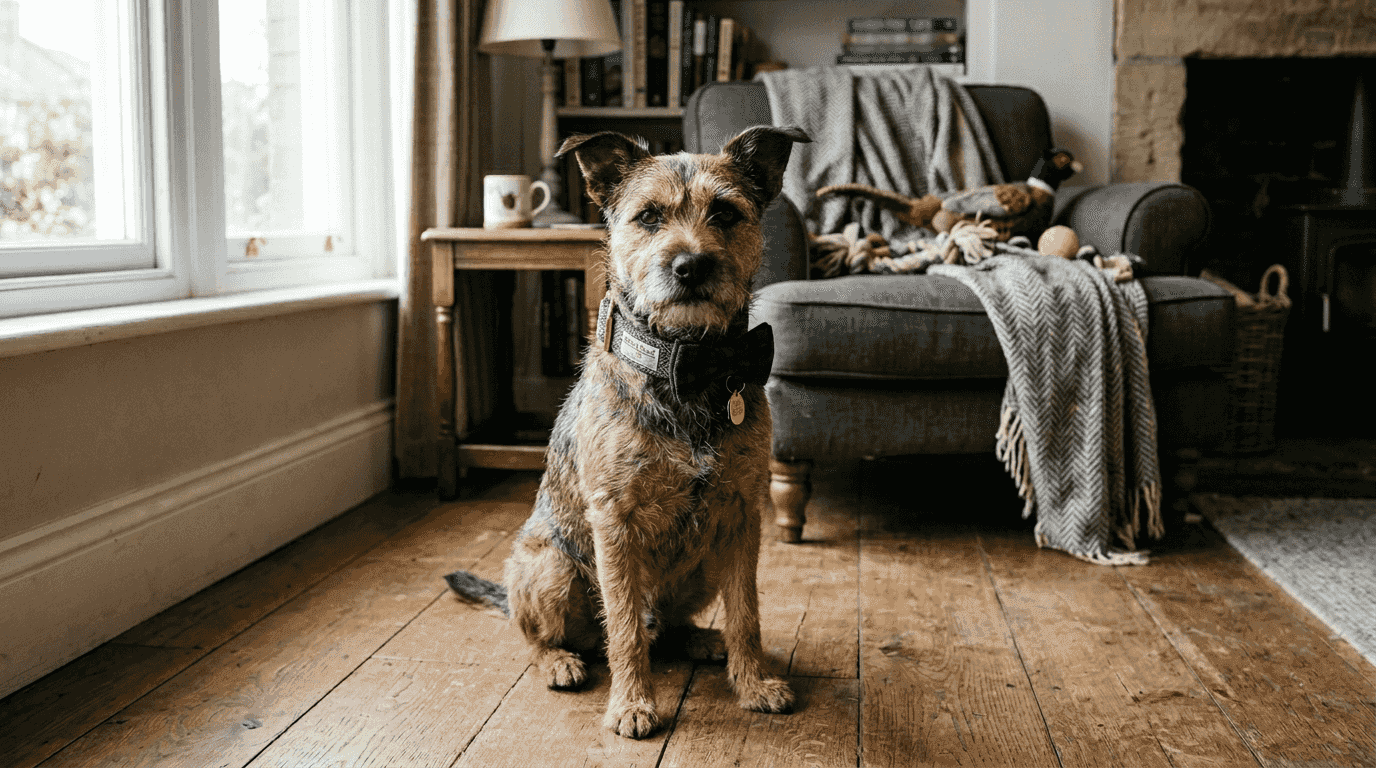
Selecting the perfect collar or bow tie for your dog involves more than picking something that looks good. Quality dog accessories combine durable materials, expert craftsmanship, and thoughtful design to ensure your pet enjoys both style and comfort. With options like Harris tweed and wool tartan offering timeless appeal, understanding the key features that define premium accessories helps you make informed choices. This guide explores what sets high-quality dog collars and bow ties apart, from material selection to fit and care considerations.
Table of Contents
- Key Features Of High-Quality Dog Accessories
- Ensuring The Perfect Fit: Comfort And Safety Essentials
- Sustainability And Care: Maintaining Natural Fabric Accessories
- Comparing Materials: Harris Tweed Vs. Wool Tartan In Dog Accessories
- Discover Premium Dog Collars And Bow Ties At Happy Dogs Togs
- Frequently Asked Questions
Key takeaways
| Point | Details |
|---|---|
| Premium materials matter | Natural fabrics like Harris tweed and wool tartan provide durability and classic style that synthetic alternatives cannot match. |
| Proper fit ensures safety | The two-finger rule helps achieve a comfortable collar fit that prevents escape whilst avoiding chafing or restriction. |
| Handcrafted quality shows | Artisan-made accessories feature superior stitching, attention to detail, and unique character in every piece. |
| Care extends lifespan | Following fabric-specific maintenance guidelines preserves the appearance and integrity of wool-based accessories. |
| Sustainability adds value | Choosing eco-conscious brands and caring properly for accessories reduces environmental impact and waste. |
Key features of high-quality dog accessories
The foundation of any premium dog collar or bow tie lies in the materials and construction methods used. High-quality dog accessories rely on natural fabrics like Harris tweed and wool tartan, which offer exceptional durability alongside timeless aesthetic appeal. These materials withstand daily wear whilst maintaining their colour and texture far longer than synthetic alternatives.
Handcrafted construction sets superior accessories apart from mass-produced options. Artisan makers invest time in each piece, ensuring reinforced stitching at stress points and secure hardware attachment. This attention to detail results in collars that can handle active dogs without fraying or breaking, whilst bow ties maintain their shape through countless adventures.
Functional design elements enhance both safety and style. Quality collars feature robust buckles that resist accidental opening, whilst D-rings are welded rather than simply pressed together. Adjustable sizing allows the collar to grow with your dog or accommodate seasonal coat changes. Bow ties attach securely without creating pressure points or restricting natural movement.
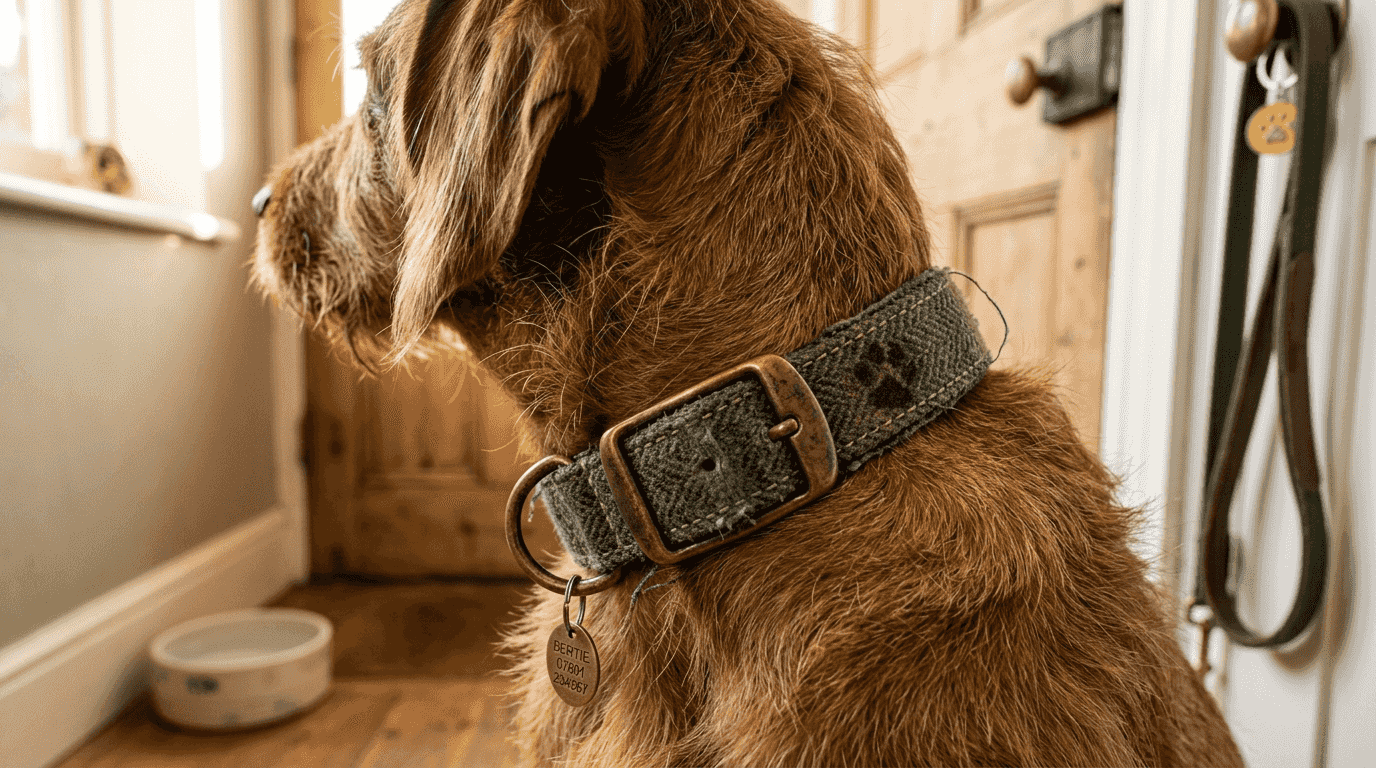
Balancing form with function creates accessories suitable for various occasions. A well-designed collar works equally well for daily walks and special events. The natural water resistance of Harris tweed makes it practical for British weather, whilst wool tartan’s softness ensures comfort during extended wear. These stunning Harris Tweed dog collars exemplify how traditional materials meet modern pet needs.
Key features to evaluate:
- Material composition and source authenticity
- Stitching quality and reinforcement at stress points
- Hardware durability and security mechanisms
- Adjustability range for proper fit
- Weather resistance and ease of cleaning
Pro Tip: Examine the stitching closely before purchasing. Double or triple stitching at attachment points indicates superior construction that will outlast single-stitched alternatives by years.
Ensuring the perfect fit: comfort and safety essentials
A beautifully crafted collar serves little purpose if it fits poorly. The two-finger rule provides reliable guidance for achieving the optimal fit: you should be able to slide two fingers comfortably between the collar and your dog’s neck. This spacing prevents excessive tightness that causes discomfort whilst ensuring the collar remains secure enough to prevent escape.
Adjustability becomes crucial as dogs grow or their coat thickness changes with seasons. Quality collars incorporate multiple adjustment points, allowing you to fine-tune the fit as needed. Quick-release buckles add a safety dimension, enabling rapid removal in emergencies whilst remaining secure during normal use. This feature proves particularly valuable for active dogs who might catch their collar on branches or fencing.
Bow tie attachment methods significantly impact your dog’s comfort. Slide-on designs that attach directly to the collar offer stability without adding bulk. Elastic loops provide flexibility whilst maintaining position, preventing the bow tie from rotating or sliding during movement. Avoid attachments that create additional pressure points or restrict your dog’s ability to turn their head naturally.
Regular fit checks ensure continued comfort and safety. Dogs’ neck sizes can fluctuate with weight changes, muscle development, or coat growth. Check the fit weekly, especially for puppies experiencing rapid growth. Signs of poor fit include matted fur beneath the collar, reluctance to wear the accessory, or visible marks on the skin after removal. These Harris Tweed dog collar safety tips provide detailed guidance on maintaining proper fit.
Essential fit considerations:
- Measure your dog’s neck at its widest point
- Allow room for two fingers between collar and neck
- Check adjustment range accommodates potential growth
- Verify quick-release mechanisms function smoothly
- Inspect regularly for signs of rubbing or discomfort
Pro Tip: Take neck measurements after exercise when your dog is relaxed and their neck is at its natural size, rather than when they are excited and pulling, which can give false readings.
Sustainability and care: maintaining natural fabric accessories
Environmental considerations increasingly influence purchasing decisions for conscientious dog owners. Wool production carries varying environmental impacts depending on farming practices and processing methods. Sustainable wool production prioritises animal welfare, land management, and reduced chemical use. Choosing brands committed to eco-friendly practices ensures your purchase aligns with environmental values whilst supporting responsible craftsmanship.
Proper maintenance extends the life of wool-based accessories, reducing waste and maximising value. Harris tweed and wool tartan require specific care approaches that differ from synthetic materials. Following these guidelines preserves both appearance and structural integrity:
- Brush regularly with a soft-bristled brush to remove surface dirt and prevent matting.
- Spot clean stains immediately using a damp cloth and mild wool-safe detergent.
- Allow accessories to air dry completely away from direct heat sources.
- Store in a cool, dry location when not in use to prevent moisture damage.
- Inspect hardware and stitching monthly, addressing any wear before it becomes problematic.
Storage practices significantly impact longevity. Hanging collars prevents creasing and maintains their shape better than folding. Keep accessories away from direct sunlight, which can fade natural dyes over time. Consider using breathable fabric bags for long-term storage, protecting against dust whilst allowing air circulation that prevents mildew.
“Proper care, including regular cleaning and conditioning, is crucial for maintaining the longevity and aesthetic appeal” of natural fabric accessories.
Seasonal care adjustments account for changing conditions. Winter moisture requires more frequent drying, whilst summer heat may necessitate additional cleaning to remove sweat and oils. These tartan dog accessory care guidelines offer season-specific maintenance advice.
Care essentials for natural fabrics:
- Use only wool-safe cleaning products
- Never machine wash or tumble dry
- Address stains promptly before they set
- Rotate between multiple accessories to reduce wear
- Professional cleaning for stubborn stains or deep cleaning
Research from wool sustainability studies demonstrates that extending product lifespan through proper care reduces environmental impact more effectively than choosing any single material type.
Comparing materials: Harris tweed vs. wool tartan in dog accessories
Understanding the distinct characteristics of Harris tweed and wool tartan helps match the right material to your needs. Both materials prioritise aesthetics and quality, yet each offers unique benefits suited to different preferences and requirements.
| Feature | Harris Tweed | Wool Tartan |
|---|---|---|
| Production method | Handwoven by islanders in Outer Hebrides | Woven on traditional or modern looms |
| Texture | Dense, textured weave with natural variations | Smooth, soft finish with defined patterns |
| Durability | Exceptionally hard-wearing, resists abrasion | Durable but slightly less robust than tweed |
| Weather resistance | Naturally water-resistant and windproof | Good weather protection with proper finishing |
| Pattern options | Earth tones, herringbone, subtle checks | Bold clan tartans, vibrant colour combinations |
| Care requirements | Minimal maintenance, ages beautifully | Regular brushing, careful stain treatment |
| Price point | Premium due to handwoven heritage status | Moderate to premium depending on quality |
Harris tweed’s handwoven nature creates a fabric with exceptional character. Each piece carries slight variations that make every collar unique. The dense weave provides outstanding durability, making it ideal for active dogs who explore rough terrain. Natural lanolin content offers inherent water resistance, keeping your dog comfortable in damp conditions typical of British weather.
Wool tartan appeals to those seeking traditional Scottish heritage patterns. The softer texture suits dogs with sensitive skin, whilst the variety of clan tartans allows personalisation reflecting family heritage or aesthetic preferences. Tartan’s lighter weight compared to Harris tweed makes it comfortable for smaller breeds or dogs unaccustomed to wearing accessories.
Cost considerations reflect production methods and heritage value. Harris tweed commands premium prices due to its protected status and handwoven production. Wool tartan offers excellent value whilst maintaining quality, making it accessible for owners seeking premium materials at moderate investment. Both options provide superior longevity compared to synthetic alternatives, justifying initial costs through years of use.
These benefits of Harris Tweed for dogs detail why this material remains a favourite amongst discerning pet owners.
Material selection factors:
- Activity level and environment exposure
- Dog size and coat sensitivity
- Aesthetic preferences and heritage connections
- Budget allocation for pet accessories
- Maintenance commitment and lifestyle
Discover premium dog collars and bow ties at Happy Dogs Togs
If you are seeking accessories that embody the quality features discussed throughout this guide, Happy Dogs Togs offers a carefully curated selection. Each piece combines traditional craftsmanship with modern design sensibility, ensuring your dog enjoys both comfort and style. The range includes options for every preference, from robust daily wear to elegant occasion pieces.
Explore the full collection of handcrafted accessories designed with your dog’s wellbeing in mind. Whether you need a reliable collar and harness for dogs for daily adventures or want to discover the best Harris Tweed dog collars for special occasions, the selection prioritises quality materials and expert construction. Complete your dog’s look with a handcrafted Harris Tweed dog bow tie that showcases timeless Scottish heritage. Each accessory reflects the commitment to combining durability with distinctive style that makes your dog stand out.
Frequently asked questions
What makes Harris tweed a good material for dog collars?
Harris tweed is handwoven from pure virgin wool by skilled artisans in Scotland’s Outer Hebrides, creating an exceptionally durable fabric that withstands years of active use. The dense weave naturally resists water and wind whilst developing a distinguished patina over time. This premium material choice combines practical performance with heritage authenticity that synthetic alternatives cannot replicate.
How do I ensure my dog collar fits comfortably?
Apply the two-finger rule by sliding two fingers between the fitted collar and your dog’s neck to verify proper spacing. The collar should feel snug enough to prevent slipping over the head yet loose enough to avoid restriction or chafing. Regular adjustments accommodate growth and seasonal coat changes, with these collar fit guidelines providing comprehensive fitting advice. Check the two-finger measurement method for detailed technique.
Are wool dog accessories environmentally friendly?
Wool is a natural, renewable fibre, though production methods significantly impact environmental sustainability. Brands committed to ethical farming, minimal chemical processing, and local production reduce ecological footprints considerably. Proper accessory care practices extend product lifespan, reducing waste and maximising the environmental benefits of choosing natural materials. Review wool sustainability research for comprehensive environmental impact information.
Can bow ties restrict my dog’s movement or breathing?
Properly designed bow ties attach to the collar rather than encircling the neck independently, ensuring they add no constriction. Quality designs use lightweight materials and secure attachment methods that prevent shifting without creating pressure points. Always verify that the underlying collar fits correctly using the two-finger rule, as the bow tie itself should not affect fit or comfort when properly attached.
How often should I replace my dog’s collar?
Replacement timing depends on wear patterns, material quality, and your dog’s activity level. Inspect collars monthly for frayed stitching, worn hardware, or fabric deterioration that compromises safety. High-quality Harris tweed and wool tartan collars typically last several years with proper care, far exceeding synthetic alternatives. Replace immediately if you notice any structural weakness, regardless of age, prioritising your dog’s safety above all considerations.