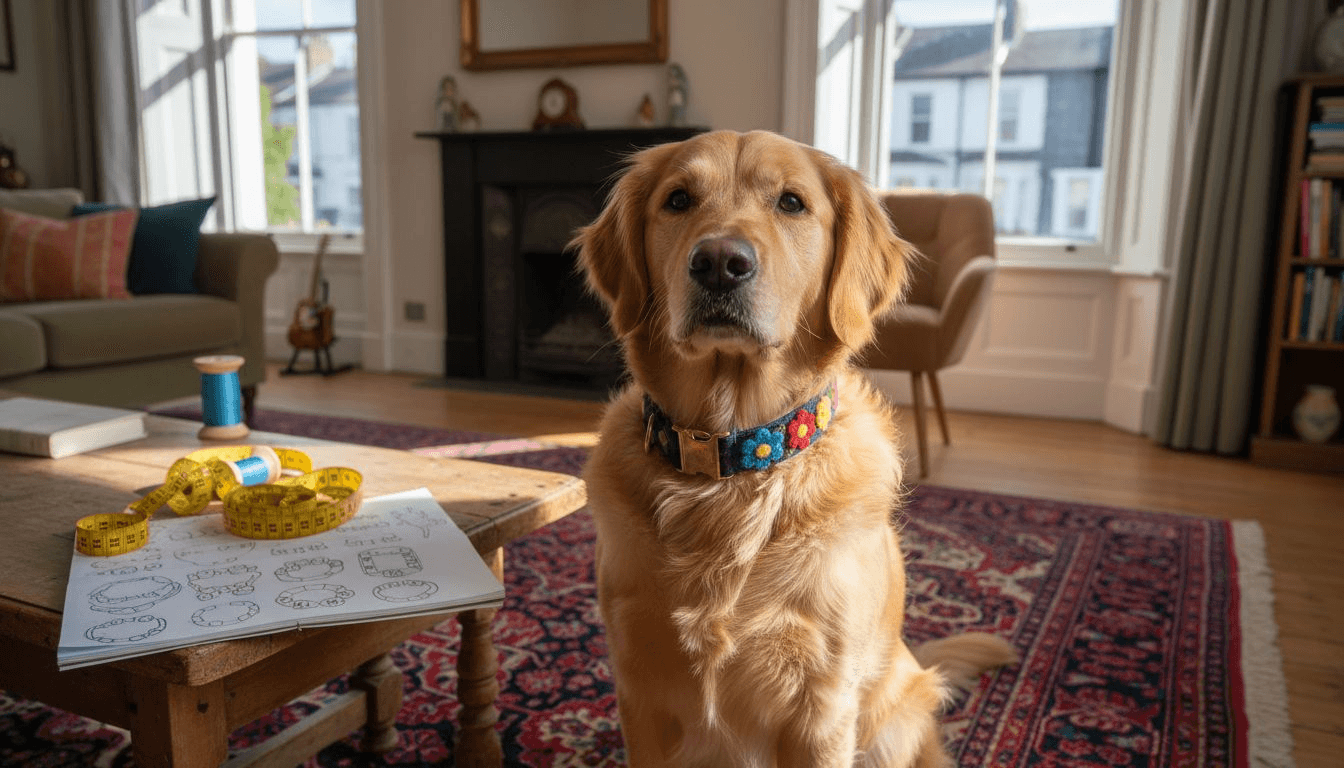
Finding pet accessories that truly celebrate both your style and your dog’s personality can feel surprisingly personal. For British dog owners with an eye for detail, the allure of a handcrafted Harris Tweed collar is about more than fashion. These collars are crafted from premium Harris Tweed fabric, protected by its own Act of Parliament and woven exclusively in the Outer Hebrides. Discover the distinct qualities that set artisanal collars apart, blending enduring Scottish heritage, intricate design, and exceptional comfort for your dog.
Table of Contents
- What Makes Pet Collars Artisanal?
- Distinct Qualities of Harris Tweed and Tartan
- Handcrafted Design Versus Mass Production
- Style, Comfort, and Durability Advantages
- Choosing Safe, Practical Collars for UK Dogs
- Ethical, Sustainable, and Heritage Benefits
Key Takeaways
| Point | Details |
|---|---|
| Artisanal Craftsmanship | Artisanal pet collars embody unique craftsmanship, utilising high-quality materials and small batch production to create individualised pieces. |
| Material Significance | Fabrics like Harris Tweed and tartan not only enhance style but also connect to rich cultural heritage, elevating pet accessories to art forms. |
| Comfort and Durability | Investing in handcrafted collars ensures superior comfort and durability, which are essential for the safety and well-being of dogs. |
| Sustainability Commitment | Artisanal collars represent a commitment to ethical production and sustainability, reinforcing local artisan communities while preserving traditional craft techniques. |
What Makes Pet Collars Artisanal?
Artisanal pet collars represent far more than a simple accessory – they are a sophisticated expression of craftsmanship, design, and individual character. Unlike mass-produced alternatives, these handcrafted pieces transform an everyday dog accessory into a statement of style and quality.
The hallmarks of an artisanal pet collar are rooted in several distinctive characteristics:
- Handmade Construction: Each collar is meticulously crafted by skilled artisans, not churned out by industrial machinery
- Premium Materials: Typically using high-quality textiles like Harris tweed, wool, or select leathers
- Unique Design Details: Incorporating intricate patterns, carefully selected colour combinations, and personalised touches
- Small Batch Production: Created in limited quantities, ensuring individual attention to every piece
Take, for instance, our handmade dog collar in navy with coloured flowers, which exemplifies the artisan’s commitment to creating something truly special. Each stitch represents a deliberate choice, reflecting the maker’s expertise and artistic vision.
The true essence of artisanal pet collars lies in their narrative. These are not mere functional items but wearable pieces of art that tell a story – of traditional craftsmanship, regional textile heritage, and personal aesthetic expression. A Harris tweed collar from Scotland, for example, carries with it generations of weaving expertise and cultural significance.
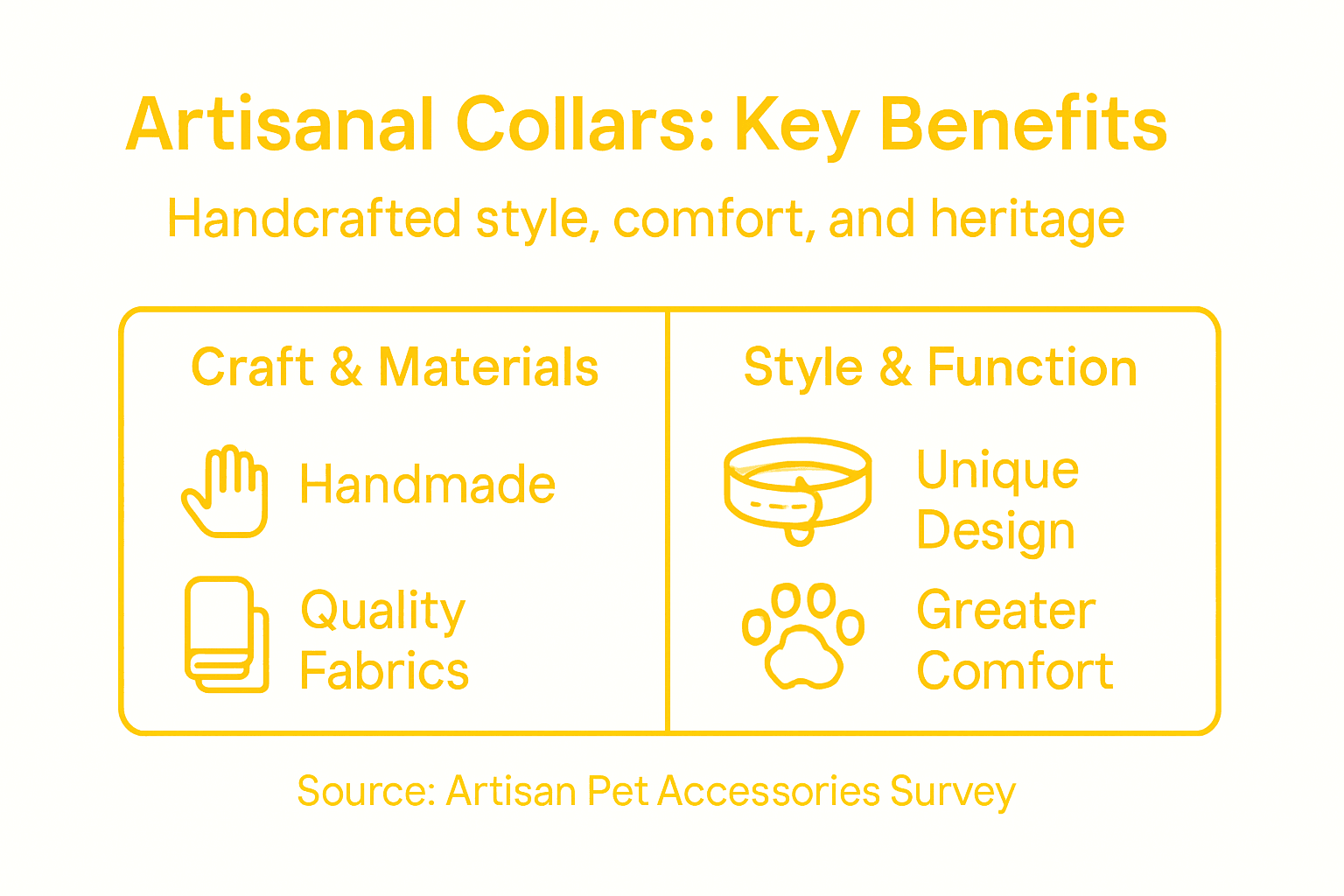
Pro Tip: When selecting an artisanal pet collar, look beyond aesthetics and consider the craftsmanship, material quality, and the story behind its creation.
Distinct Qualities of Harris Tweed and Tartan
Harris Tweed and tartan represent two extraordinary textile traditions from Scotland, each offering unique characteristics that elevate pet accessories from mere functional items to cultural statements. While both fabrics share Scottish roots, they possess distinctly different origins, production methods, and aesthetic qualities.
Harris Tweed’s heritage is deeply rooted in the Outer Hebrides, where this exceptional fabric is meticulously handwoven by local islanders in their homes. The fabric carries extraordinary specifications, including:
- Strict Geographical Protection: Only cloth woven in the Outer Hebrides can legally be called Harris Tweed
- Traditional Production: Handwoven on traditional looms using pure virgin wool
- Unique Certification: Protected by a specific Act of Parliament and marked with the official Orb trademark
- Rich Colour Palette: Inspired by the dramatic Hebridean landscape
In contrast, tartan represents a broader textile tradition with a history stretching back to approximately 300 BC. Unlike Harris Tweed’s uniform production, tartan features intricate criss-crossed horizontal and vertical patterns that traditionally represent specific Scottish clans and regions.
Key Distinguishing Features:
- Weaving Technique: Harris Tweed uses a dense twill weave with characteristic coloured flecks
- Pattern Complexity: Tartan features structured checked patterns representing clan heritage
- Weight and Texture: Harris Tweed is typically heavier and more robust
- Cultural Significance: Each fabric tells a different story of Scottish craftsmanship
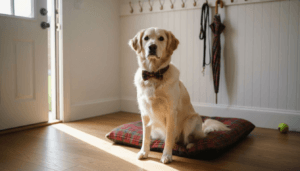
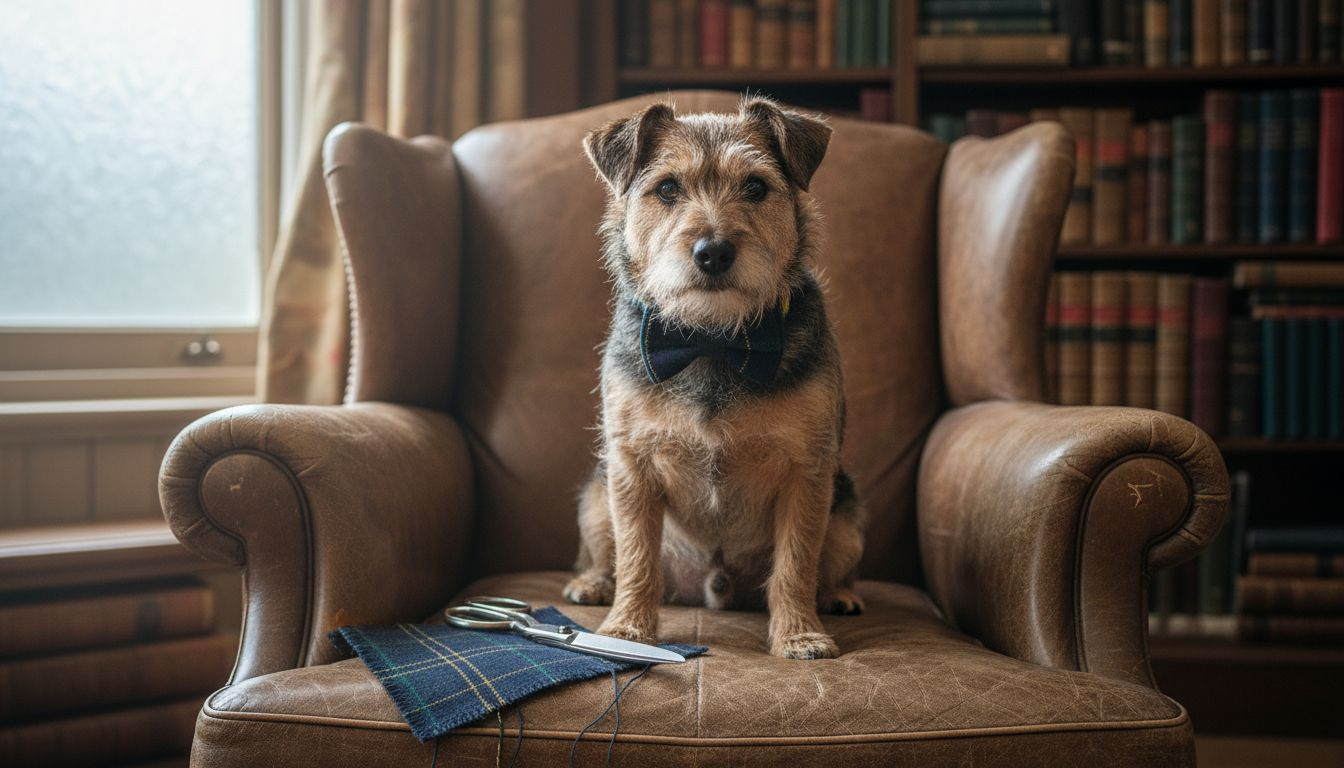
Our Navy Tartan Harris Tweed Dog Bow Tie beautifully demonstrates how these remarkable textiles can be transformed into sophisticated pet accessories that carry generations of cultural narrative.
To help clarify the distinction between Harris Tweed and tartan fabrics for pet accessories, see the comparison below:
| Attribute | Harris Tweed | Tartan |
|---|---|---|
| Origin | Outer Hebrides, Scotland | Various Scottish regions |
| Production Method | Handwoven by islanders | Machine or handwoven, broader methods |
| Certification | Orb trademark, legal protection | Clan registration, no dedicated mark |
| Traditional Use | Outerwear, luxury accessories | Kilts, bagpipes, ceremonial garments |
| Visual Style | Plain or with subtle patterns | Checked, geometric clan patterns |
| Durability | Very robust and weather resistant | Varies by weave, usually lighter |
Both Harris Tweed and tartan represent more than just fabrics – they are living expressions of Scottish textile heritage, craftsmanship, and artistic tradition.
Pro Tip: When selecting a Harris Tweed or tartan accessory, examine the weave, colour integrity, and authenticity marks to ensure you’re getting a genuine piece of Scottish craftsmanship.
Handcrafted Design Versus Mass Production
The world of pet accessories reveals a profound distinction between handcrafted design and mass production, a divide that extends far beyond mere aesthetic preferences. Design rights in the UK highlight the fundamental differences between these two approaches, emphasising the unique value of artisanal craftsmanship.
Handcrafted design represents a meticulous process characterised by:
- Individual Attention: Each piece receives personalised care and precision
- Skill Transmission: Techniques passed down through generations of artisans
- Unique Variations: No two items are exactly identical
- High-Quality Materials: Carefully selected for durability and aesthetic appeal
Mass production, in stark contrast, prioritises efficiency and standardisation. These manufacturing approaches differ dramatically in their core philosophies:
- Production Volume: Mass-produced items created in thousands; handcrafted in limited quantities
- Customisation: Minimal personalisation versus bespoke design
- Manufacturing Process: Machine-driven versus hand-guided techniques
- Economic Model: Cost reduction versus value preservation
Craftsmanship Insights from traditional collar-making techniques reveal that artisanal methods involve intricate skills like precise leather cutting, nuanced stitching, and careful material manipulation. These techniques cannot be replicated by industrial machinery, ensuring each handcrafted piece tells a unique story.
Handcrafted design is not just a manufacturing method – it’s a philosophy of preserving skill, heritage, and individual expression.
Pro Tip: When selecting a handcrafted accessory, look beyond appearance and appreciate the skill, time, and personal touch invested in its creation.
Style, Comfort, and Durability Advantages
Artisanal pet collars transcend ordinary accessories by combining exceptional style, unparalleled comfort, and remarkable durability. Research from Nottingham Trent University emphasises the critical importance of thoughtful collar design in ensuring canine well-being and comfort.
Key advantages of artisanal collars include:
- Superior Material Selection: Premium fabrics like Harris tweed and wool tartan
- Ergonomic Design: Carefully crafted to prevent neck strain and discomfort
- Enhanced Durability: Constructed with meticulous stitching and reinforced edges
- Individual Fitting: Tailored to accommodate different dog breeds and sizes
When comparing mass-produced and handcrafted collars, the differences become strikingly apparent. RSPCA guidance highlights that well-crafted collars should prioritise both comfort and functionality, avoiding potential health risks associated with poorly designed accessories.
Comparative Advantages:
- Padding Quality: Artisanal collars use superior interior padding
- Stress Distribution: Better weight and pressure management
- Material Resilience: Higher-grade fabrics resist wear and tear
- Aesthetic Longevity: Maintains style and integrity over time
Investing in a high-quality, handcrafted collar is not just a fashion statement, but a commitment to your dog’s comfort and well-being.
Pro Tip: Always assess a collar’s interior padding, stitching quality, and material flexibility before purchasing to ensure maximum comfort for your canine companion.
Choosing Safe, Practical Collars for UK Dogs
Selecting the right dog collar involves careful consideration of safety, legal requirements, and your dog’s individual needs. RSPCA guidance emphasises the critical importance of humane, comfortable collar design that prioritises your dog’s well-being.
Key safety considerations for UK dog owners include:
- Legal Compliance: Mandatory identification tags when outdoors
- Material Safety: Non-abrasive, breathable fabrics
- Proper Fit: Allows two-finger space between collar and dog’s neck
- Avoid Harmful Designs: Reject punitive training tools like prong collars
The perfect collar balances multiple essential factors:
- Comfort Level: Soft, non-chafing interior
- Durability: Robust construction that withstands daily use
- Identification: Clear space for contact details
- Style: Reflects your dog’s personality
Practical Selection Criteria involve understanding your specific dog’s requirements, including breed, size, and activity level. Artisanal collars offer superior alternatives to mass-produced options by providing:
- Customised sizing
- Higher-quality stitching
- More thoughtful design considerations
- Better weight distribution
A well-chosen collar is more than an accessory – it’s a critical piece of equipment that ensures your dog’s safety and comfort.
Pro Tip: Always measure your dog’s neck precisely and allow room for growth, checking the fit every few months to ensure continued comfort and safety.
Ethical, Sustainable, and Heritage Benefits
Artisanal pet collars transcend mere fashion accessories, representing a profound commitment to ethical production, environmental sustainability, and cultural preservation. Handmade dog collar production embodies a holistic approach that champions responsible manufacturing practices.
Key sustainability principles include:
- Resource Conservation: Minimising waste through careful material selection
- Local Production: Supporting regional artisan communities
- Circular Economy: Creating durable products that reduce consumable waste
- Ethical Labour: Ensuring fair wages and working conditions
The heritage aspect of artisanal collars connects contemporary consumers with traditional craftsmanship through:
- Preservation of Traditional Techniques
- Celebration of Regional Textile Skills
- Storytelling Through Craftsmanship
- Maintaining Cultural Textile Traditions
Beyond environmental considerations, these collars represent a deeper narrative of cultural continuity. Each hand-stitched piece carries the legacy of generational skills, transforming a simple accessory into a meaningful artifact that connects present-day dog owners with rich textile traditions.
Below is a summary highlighting why investing in an artisanal collar benefits both your dog and the wider community:
| Benefit Type | Artisanal Collar Example | Broader Impact |
|---|---|---|
| Canine Comfort | Ergonomic, soft inner lining | Reduces risk of injury |
| Durability | Tight stitching, reinforced edges | Fewer replacements, less waste |
| Heritage Value | Traditional materials, handwork | Supports living crafts |
| Sustainability | Minimal waste, local production | Lowers environmental footprint |
| Social Impact | Fair artisan wages | Strengthens small communities |
Choosing an artisanal collar is more than a purchase – it’s an investment in sustainable practices, cultural preservation, and quality craftsmanship.
Pro Tip: When purchasing artisanal accessories, ask about the production process, material sourcing, and the artisan’s background to truly appreciate the story behind your purchase.
Discover the Unique Benefits of Artisanal Pet Collars Today
If you are searching for a dog collar that perfectly balances style, comfort and heritage craftsmanship then artisanal pet collars are the answer. The article highlights the common challenges of mass-produced accessories including poor fit, lack of durability and absence of cultural significance. Our handcrafted collars, made from premium Harris Tweed and wool Tartan, offer a superior solution by ensuring customised sizing, exceptional durability and a meaningful connection to rich Scottish textile traditions.
Explore our exquisite range of handcrafted dog collars and bow ties that deliver on both aesthetic appeal and canine well-being. Act now to invest in a unique accessory that not only enhances your dog s comfort but also supports sustainable and ethical artisan practices. Experience the perfect blend of style and substance crafted with love at Happy Dogs Togs. Your dog deserves the best.
Frequently Asked Questions
What are the main benefits of choosing an artisanal pet collar?
Artisanal pet collars offer superior style, comfort, and durability compared to mass-produced options. They are handcrafted with high-quality materials, ergonomic designs, and unique artistic elements, ensuring a comfortable fit for your pet while making a fashion statement.
How do artisanal pet collars differ from mass-produced collars?
Artisanal collars are characterised by handmade construction, premium materials, and small batch production. In contrast, mass-produced collars focus on standardisation and efficiency, leading to a lack of unique design and lower material quality.
What materials are commonly used in artisanal pet collars?
Artisanal pet collars often feature high-quality materials such as Harris tweed, wool, and select leathers. These fabrics are chosen for their durability and aesthetic appeal, contributing to the overall character and comfort of the collar.
How do I ensure a good fit when selecting an artisanal collar for my dog?
To ensure a proper fit, measure your dog’s neck accurately and choose a collar that allows for two-finger space between the collar and your dog’s neck. Regularly check the fit as your dog grows to maintain comfort and safety.