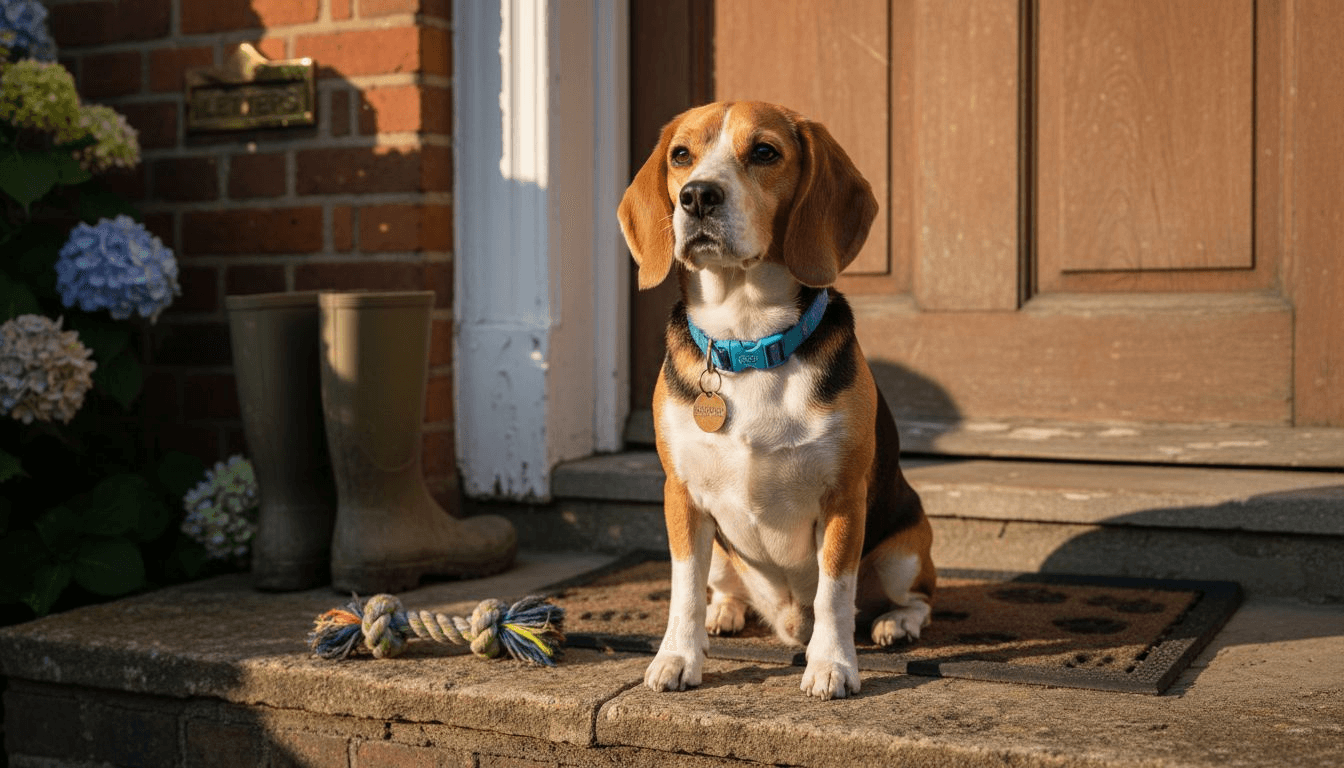
Every British dog owner knows the struggle of finding a collar that truly fits—one that marries timeless style with everyday comfort for lively pups and gentle seniors alike. When your companion’s wellbeing is as important as their appearance, the right adjustable collar becomes more than a fashion statement. Explore the world of adjustable Harris Tweed collars where thoughtful design, proper fit, and superior materials keep your dog safe, comfortable, and turning heads on every walk.
Table of Contents
- What Are Adjustable Dog Collars?
- Key Types and Unique Materials Available
- How Adjustable Collars Ensure Comfort and Fit
- Safety, Durability, and Legal Standards in the UK
- Choosing, Fitting, and Common Mistakes to Avoid
Key Takeaways
| Point | Details |
|---|---|
| Adjustable Collars Offer Flexibility | Adjustable dog collars allow for a customised fit, ensuring safety and comfort as your dog grows or changes in weight. |
| Proper Fit is Crucial | Following the two-finger rule helps avoid choking and escaping, making regular adjustments essential for your dog’s wellbeing. |
| Material Choices Matter | Selecting the right material based on your dog’s lifestyle and needs can enhance durability and comfort, impacting overall safety. |
| Regular Checks Prevent Issues | Monthly collar fit evaluations, especially for puppies, can prevent discomfort and injuries linked to improper fitting. |
What Are Adjustable Dog Collars?
An adjustable dog collar is a piece of material worn around your dog’s neck that serves multiple purposes: restraint, identification, fashion, and comfort. Unlike fixed-size collars, adjustable versions allow you to modify the fit as your dog grows or changes weight.
The key advantage? You can ensure the proper fit—typically allowing just a finger’s width of space between the collar and your dog’s neck—without risking choking or accidental escape.
How They Work
Adjustable collars feature mechanisms that let you customise the fit to your dog’s specific neck size. These typically include quick-release buckles or traditional buckles, making them practical for everyday use.
Common materials include leather and nylon, both offering durability and comfort depending on your dog’s lifestyle and your style preferences. The adjustment options mean one collar can work for your dog through different life stages.
Key features of adjustable collars:
- Allow space for comfort and safety
- Prevent choking hazards when fitted properly
- Stop dogs from slipping out of loose collars
- Hold identification tags securely
- Accommodate leash attachment points
- Work across multiple neck sizes for growing puppies
Why Proper Fit Matters
Proper collar fit is crucial to avoid choking or allowing your dog to escape. Too tight restricts breathing; too loose and your dog can slip free.
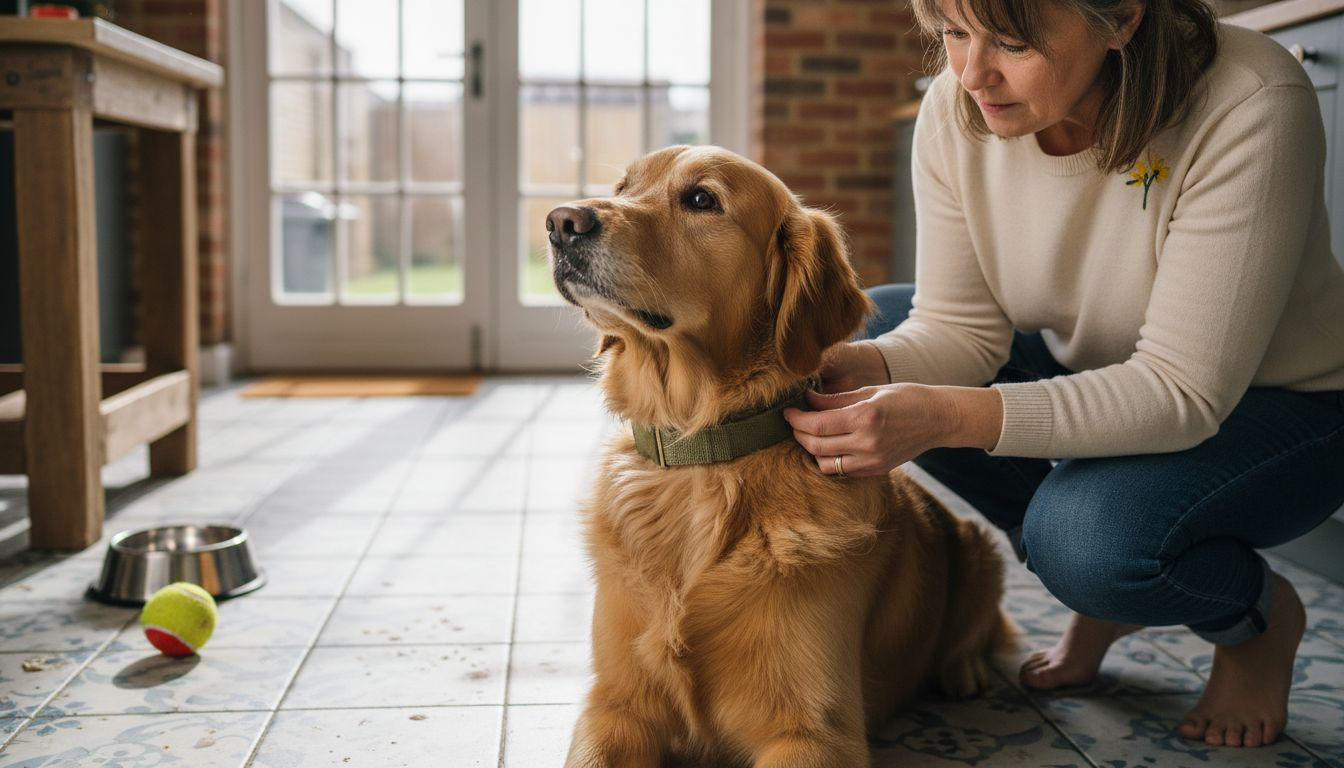
The finger-width rule works well: slip one finger underneath the collar when fastened. You should feel gentle resistance but not tightness. This ensures your dog breathes freely whilst the collar stays secure.
Different dogs require different approaches. Puppies need frequent adjustments as they grow rapidly. Adult dogs may need seasonal adjustments if their weight fluctuates. Senior dogs sometimes need looser fits for comfort.
Material Choices
Leather collars offer a classic, stylish look with natural durability. They age beautifully and often improve with use, particularly Harris Tweed alternatives that blend traditional Scottish fabric with functional design.
Nylon collars provide easy cleaning and bright colour options. They’re practical for active dogs and tend to be more budget-friendly.
Your choice depends on your lifestyle, aesthetic preferences, and your dog’s needs. Handcrafted options in quality materials often last years longer than mass-produced alternatives.
The difference between a safe, comfortable collar and a problematic one often comes down to proper fit and regular adjustments as your dog grows or changes.
Pro tip: Check your dog’s collar fit monthly, especially during their first year of life when growth happens rapidly. A collar that fits perfectly one month may be too tight the next.
Key Types and Unique Materials Available
Adjustable dog collars come in several distinct types, each designed for different purposes and dog behaviours. Understanding the differences helps you choose the right option for your pet’s needs and lifestyle.
The most common type is the flat collar, the everyday choice for most dog owners. It distributes pressure evenly around your dog’s neck, making it comfortable for regular wear and tag attachment.
Martingale collars offer a specialised solution for dogs prone to slipping out. These collars tighten slightly when your dog pulls, preventing escape without the choking risk of older training methods. They’re particularly popular for greyhounds and other sighthounds with narrow heads.
Different collar types serve specific training and behavioural needs. Head halters guide your dog’s direction during walks without restricting breathing. Calming collars infused with pheromone fabrics help anxious dogs stay relaxed.
Material Selection for Your Dog
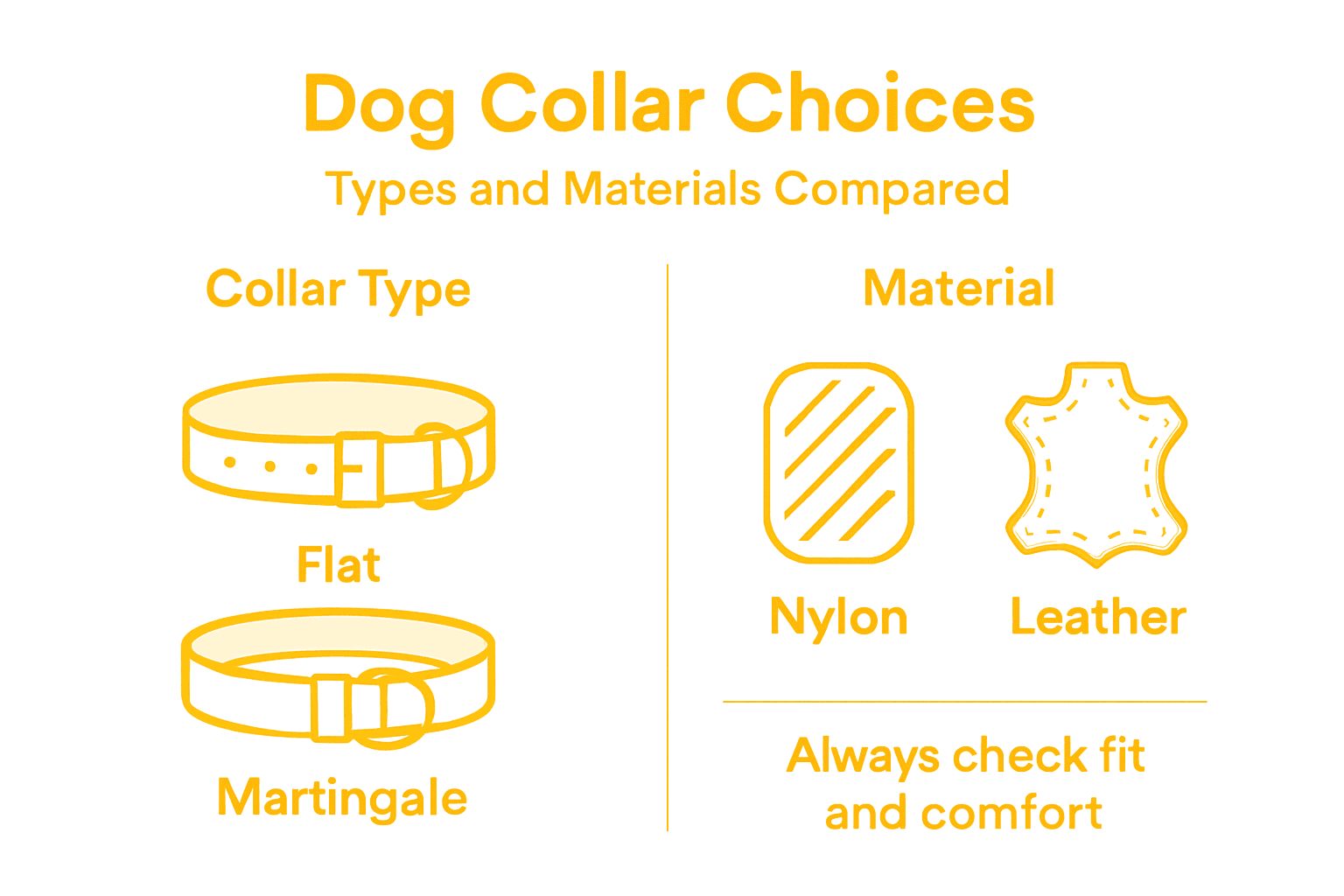
Your choice of material impacts durability, comfort, and style. Common options include nylon, leather, polyester, and cotton blends, each offering distinct advantages.
Nylon collars are practical and affordable. They resist moisture, clean easily, and come in vibrant colours. They’re ideal for active dogs who spend time outdoors.
Leather collars provide timeless elegance and durability. Quality leather softens with age, becoming more comfortable over time. Scottish Harris Tweed blends offer traditional aesthetic with modern functionality, perfect for UK dog owners seeking something distinctive.
Polyester and cotton blends offer versatility between nylon and leather. Some modern collars incorporate smart fabrics with GPS tracking or health-monitoring technology for tech-savvy owners.
Here’s a comparison of popular adjustable collar materials and their ideal uses:
| Material | Best For | Key Strength | Notable Drawback |
|---|---|---|---|
| Nylon | Active outdoor dogs | Waterproof, bright | Can fray with chewing |
| Leather | Formal/indoor use | Softens with age | Can stain when wet |
| Harris Tweed | Style-conscious owners | Heritage look | Less water resistance |
| Polyester Blend | Everyday/all-round use | Versatile, soft | Moderate long-term wear |
| Smart Fabric | Tech-focused owners | GPS, health data | Requires charging/care |
Choosing What Suits Your Dog
Consider your dog’s size, activity level, and temperament. A working spaniel needs different materials than a city-dwelling toy breed. Active dogs benefit from durable, washable materials. Dogs with sensitive skin may prefer softer, natural fibres.
Material comparison:
- Nylon: waterproof, bright colours, easy care
- Leather: stylish, durable, improves with age
- Harris Tweed: distinctive, Scottish heritage, quality construction
- Polyester blends: versatile, moderate durability
- Smart fabrics: GPS-enabled, health tracking features
The best collar matches both your dog’s practical needs and your personal style preferences—these aren’t mutually exclusive.
Pro tip: If your dog spends time swimming or in wet conditions, nylon or waterproof materials outperform leather; for primarily indoor dogs or special occasions, quality leather or Harris Tweed offers superior aesthetic appeal.
How Adjustable Collars Ensure Comfort and Fit
The magic of adjustable collars lies in their flexibility. Unlike fixed-size collars, adjustable options let you customise the fit to your individual dog’s neck perfectly, balancing safety with comfort.
Proper fitting prevents two common problems: choking and escaping. Too tight restricts breathing and causes neck strain. Too loose allows your dog to slip free or get caught on obstacles.
The Two-Finger Rule
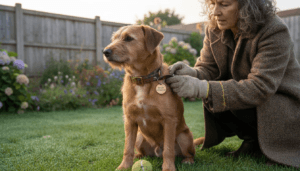
The two-finger rule is the gold standard for collar fit. Slip two fingers under the collar when fastened—you should feel gentle resistance without tightness.
This simple check ensures your dog can breathe freely whilst the collar stays secure. It works across different dog sizes and ages, making it universally reliable.
Your dog’s comfort depends on consistent checking. Puppies grow rapidly and need monthly adjustments. Adult dogs may gain or lose weight seasonally. Regular monitoring prevents problems before they develop.
Adjustment Mechanisms That Work
Adjustable collars use several systems to achieve the perfect fit. Buckles and clasps offer precise control with quick-release options for emergencies. Sliding mechanisms allow smooth adjustment without fumbling with fastenings.
Martingale collars adjust dynamically, tightening slightly when your dog pulls but preventing actual choking. This clever design prevents escapes without harmful pressure.
Choose a mechanism that works smoothly for you. If you struggle with fiddly buckles, a sliding system might suit better. Quality construction matters—cheap mechanisms fail when you need them most.
Why Regular Checks Matter
Fit changes as your dog grows, gains weight, or sheds seasonings. Monthly checks take seconds but prevent discomfort or injury over time.
Watch for warning signs:
- Red marks or hair loss on the neck
- Your dog pawing at the collar frequently
- Difficulty breathing or wheezing
- Visible skin irritation or swelling
- The collar slipping over your dog’s head
These indicate adjustment is needed. Don’t ignore them—address the fit immediately.
Below is a quick reference for signs your dog’s collar fit needs adjustment:
| Warning Sign | Likely Cause | Recommended Action |
|---|---|---|
| Red marks on neck | Too tight | Loosen and recheck fit |
| Hair loss around collar | Friction/pressure | Switch to softer material |
| Wheezing or laboured breath | Restricted airway | Remove collar, seek vet |
| Collar slips off easily | Too loose | Tighten and retest fit |
| Pawing at collar often | Discomfort/irritation | Check for skin issues |
Balance Safety and Comfort
A properly fitted collar protects your dog whilst allowing normal movement and comfort. This balance prevents both immediate injuries and long-term neck or skin problems.
The best collar is one you check regularly and adjust as your dog changes, not something you set once and forget.
Pro tip: Check your dog’s collar fit weekly during the first six months of ownership, then monthly thereafter; keep a record of adjustment dates to spot growth patterns and plan ahead.
Safety, Durability, and Legal Standards in the UK
UK dog owners must understand the legal and safety landscape surrounding collars. The Animal Welfare Act 2006 sets the foundation, requiring that all dog equipment prioritises animal welfare and avoids causing pain or distress.
This means certain collar types are restricted or banned outright. Shock collars (e-collars) remain controversial and are banned in several UK regions due to welfare concerns. Prong collars and choke chains are similarly discouraged by animal welfare organisations as they risk injury and behavioural problems.
What Makes a Collar Safe
A safe collar distributes pressure evenly and never restricts breathing. Standard adjustable collars, when properly fitted, meet these criteria. However, research shows all collar types can cause injury if your dog pulls forcefully or you jerk the leash.
Neck injuries from collars include tracheal damage and tissue strain. This is why professional trainers and vets increasingly recommend harnesses for walking dogs, as harnesses distribute force across the chest rather than concentrating it on the neck.
Durability and Quality Standards
British-made dog collars often meet higher standards than mass-produced imports. Look for collars with quality construction, reinforced stitching, and secure buckles that won’t fail under stress.
Durable collar features:
- Heavy-duty stitching at stress points
- Quality buckles or clasps that function smoothly
- Materials that resist fading and fraying
- Adjustable mechanisms that stay secure
- Hardware that doesn’t rust or corrode
Handcrafted collars typically outlast cheap alternatives by years. An investment in quality means fewer replacements and better safety over time.
Making Safe Choices
Avoid collars designed to punish or cause discomfort. Choose adjustable collars from reputable makers who prioritise welfare. Consider your walking habits—if your dog pulls, a harness alongside an ID collar offers better protection.
Regularly inspect your collar for wear. Replace immediately if stitching fails, buckles break, or hardware shows corrosion. A failing collar defeats its purpose entirely.
UK law doesn’t just permit humane collars—it requires them; choosing welfare-focused designs protects your dog and keeps you on the right side of animal protection legislation.
Pro tip: Purchase collars from UK makers who provide clear information about materials and construction methods; quality British manufacturers often stand behind their products with warranties, giving you confidence in durability and safety standards.
Choosing, Fitting, and Common Mistakes to Avoid
Selecting the right adjustable collar starts with understanding your dog’s individual needs. Size, breed, lifestyle, and behaviour all influence which collar works best for your pet.
A working spaniel needs different durability than a lap dog. Active dogs require materials that withstand mud and water. Anxious dogs might benefit from calming collar technologies. Consider these factors before purchasing.
Assessing Your Dog’s Needs
Choosing the right collar requires thinking about your dog’s specific situation. Does your dog pull on walks? Is it prone to escaping? Does it have sensitive skin?
These questions guide your selection. A puller benefits from a martingale collar. An escape artist needs secure buckles and proper fit. Sensitive skin dogs need soft, breathable materials like Harris Tweed.
Breed matters too. Small breeds need lightweight collars. Large breeds need reinforced construction. Puppies need collars you can adjust frequently as they grow rapidly.
The Fitting Process
Proper fitting prevents both problems and injuries. Start by loosening the collar fully so it slides over your dog’s head easily. Then tighten it behind the ears to the correct position.
Use the two-finger rule: slip two fingers comfortably under the fitted collar. You should feel slight resistance but not tightness. This balance prevents choking and escaping.
Check the positioning. The collar should sit high on the neck, not drooping down the chest. Positioning affects both comfort and safety during walks.
Common Mistakes to Avoid
Most collar problems stem from avoidable errors. Many owners overtighten collars, restricting breathing and causing neck strain. Others leave them too loose, allowing escape or catching on obstacles.
Mistakes that cause problems:
- Overtightening restricts breathing and causes injury
- Leaving collars on unattended dogs risks catching and strangulation
- Ignoring growth in puppies creates uncomfortable fit within weeks
- Using training collars continuously instead of just during sessions
- Failing to inspect for wear and damage regularly
- Choosing style over substance with cheap, poorly-made collars
Remember: adjustable doesn’t mean “set it once.” Regular checking and adjustment throughout your dog’s life is essential.
Seasonal and Growth Adjustments
Puppies grow rapidly and need monthly fit checks. Seasonal weight changes mean summer adjustments differ from winter. Senior dogs sometimes need looser fits for comfort.
The most common mistake isn’t choosing wrong—it’s not adjusting the collar as your dog changes throughout its life.
Pro tip: Write adjustment dates in a calendar reminder or phone note; checking fit on the same date monthly ensures you never miss growth or seasonal changes, and you’ll spot patterns in your dog’s development.
Discover Adjustable Dog Collars That Combine Comfort, Safety, and Timeless Style
Finding the perfect dog collar that balances proper fit, comfort, and durability can be challenging. As highlighted in the article, an adjustable dog collar is essential to avoid choking hazards and escape risks while ensuring your dog feels comfortable through every stage of life. Many dog owners struggle with collars that wear out quickly or cause discomfort due to poor design or materials. Harness the power of handcrafted designs that embrace heritage fabrics like Harris Tweed and wool Tartan to keep your dog safe, stylish, and comfortable.
Explore our unique collection of adjustable dog collars at Happy Dogs Togs, where every collar is crafted to offer flexibility in fit and exceptional durability. Our collars solve the common pain points of slipping collars and skin irritation by using premium materials expertly tailored for comfort and long-lasting use. Don’t wait until an ill-fitting collar causes discomfort or injury – visit our landing page now to choose a collar your dog deserves and experience the blend of traditional craftsmanship with modern safety. Elevate your pet’s style safely with our handcrafted dog collars, designed to adjust as your dog grows and to maintain a secure and comfortable fit every day.
Frequently Asked Questions
What are adjustable dog collars?
Adjustable dog collars are collars designed to fit snugly around your dog’s neck, allowing for customisable size adjustments as your dog grows or changes weight. They are used for restraint, identification, and style, ensuring a perfect fit for comfort and safety.
Why is proper fit important for a dog collar?
A proper fit is crucial to prevent choking or escape. A collar that is too tight can restrict breathing, while one that is too loose can allow your dog to slip out. Following the finger-width rule—where only a finger should fit under the collar when fastened—ensures safety and comfort.
What materials are commonly used for adjustable dog collars?
Common materials include nylon, leather, and Harris Tweed. Nylon collars are waterproof and easy to clean, leather offers durability and a classic look, while Harris Tweed adds a stylish, heritage element. The material choice should depend on your dog’s lifestyle and your personal style preferences.
How often should I check and adjust my dog’s collar?
It is recommended to check your dog’s collar fit monthly, especially in the first year of life during rapid growth. For adult dogs, seasonal adjustments may be necessary due to weight fluctuations. Regular checks help prevent discomfort and ensure a secure fit.