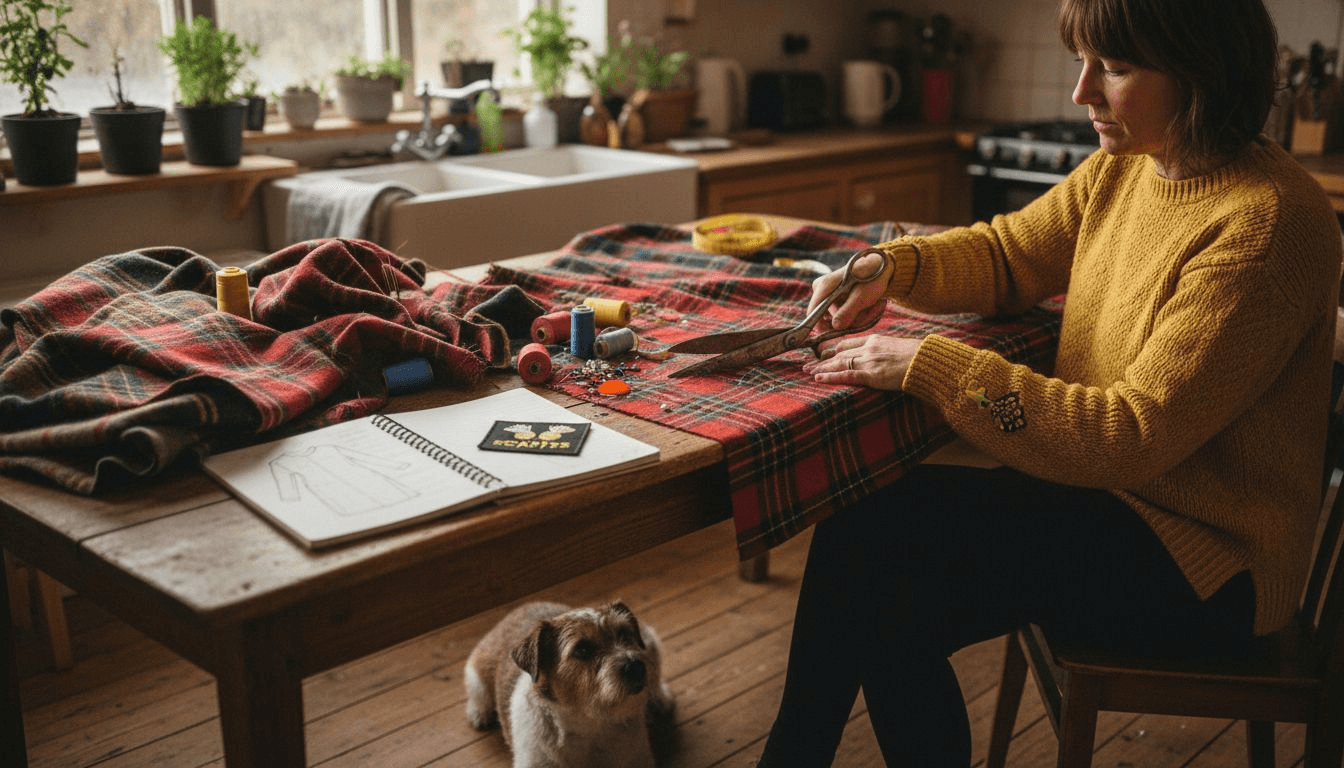
Finding truly unique and beautifully crafted dog accessories can feel like searching for a rare gem, especially when ordinary collars blend into the crowd. For those who want their companion to stand out with a touch of British heritage, handwoven Harris Tweed and wool tartan offer a blend of artistry and durability that turns everyday walks into something special. Discover the essential steps for selecting and crafting one-of-a-kind collars and bow ties, designed for UK dog owners who cherish quality and style.
Table of Contents
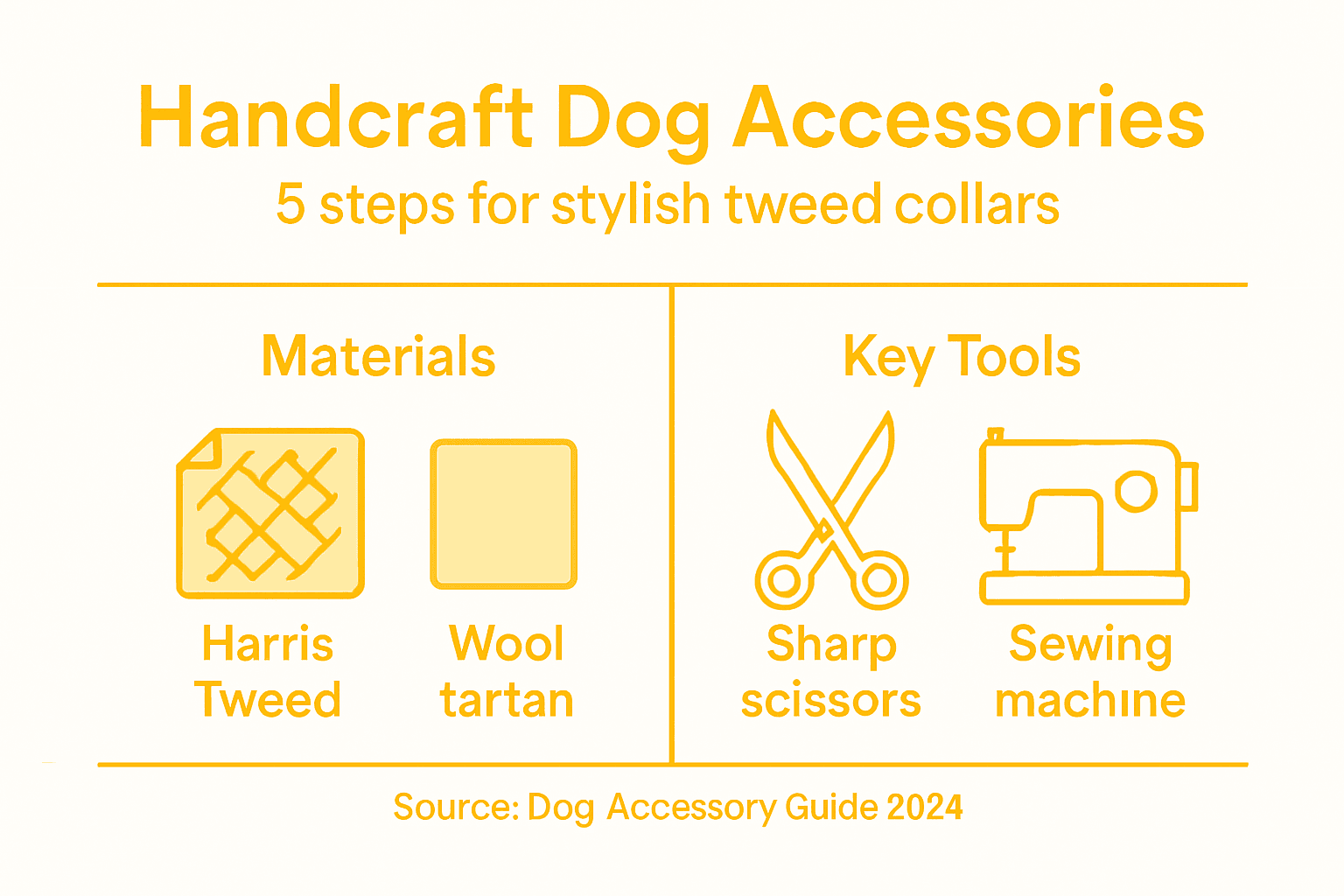
- Step 1: Select Premium Harris Tweed And Wool Tartan
- Step 2: Prepare Your Tools And Pattern Templates
- Step 3: Cut Fabrics For Collars And Bow Ties
- Step 4: Assemble And Stitch The Accessories
- Step 5: Attach Finishing Touches And Check Quality
Quick Summary
| Key Point | Explanation |
|---|---|
| 1. Select high-quality Harris tweed | Choose authentic handwoven wool from the Outer Hebrides for durability and aesthetics in dog accessories. |
| 2. Gather essential crafting tools | Obtain sharp scissors, measuring tape, and pattern drafting materials to ensure professional results. |
| 3. Accurate cutting is crucial | Follow templates closely and allow seam allowance to create well-fitted collars and bow ties. |
| 4. Focus on precise stitching techniques | Pin fabric pieces together and use suitable needles to enhance the quality of your dog accessories. |
| 5. Implement thorough quality checks | Finalise your accessories by checking stitches and hardware, ensuring comfort and security before use. |
Step 1: Select premium Harris tweed and wool tartan
Selecting the perfect Harris tweed for your dog’s accessories requires understanding the fabric’s rich heritage and distinctive qualities. The process begins with identifying a superior textile that combines durability, craftsmanship, and timeless Scottish style.
When searching for premium Harris tweed, focus on authentic handwoven wool fabric sourced directly from the Outer Hebrides. These fabrics represent generations of traditional weaving techniques, ensuring each piece carries a unique story. Look for textiles that feature:
- 100% pure virgin wool
- Hand-woven on traditional pedal looms
- Distinctive tartan or herringbone patterns
- Rich, saturated colours
- Certification mark from the Harris Tweed Authority
The wool tartan selection matters immensely. Traditional tartans like Royal Stewart, MacLeod, or MacKenzie offer classic colour palettes that complement dog accessories beautifully. Consider your dog’s coat colour and your personal aesthetic when choosing – some patterns work brilliantly as statement pieces, while others provide subtle elegance.
Here’s a quick reference for traditional tartans and their appeal for dog accessories:
| Tartan Name | Colour Palette | Best Suited For |
|---|---|---|
| Royal Stewart | Red, yellow, blue | Statement collars and bow ties |
| MacLeod | Bright yellow, black | Fun and bold accessories |
| MacKenzie | Green, blue, white | Subtle, classic designs |
Authentic Harris tweed is more than a fabric – it’s a piece of Scottish cultural heritage crafted with extraordinary skill.
Expert tip: Always request a fabric swatch before purchasing to assess the exact colour, texture, and weight for your specific dog accessory project.
Step 2: Prepare your tools and pattern templates
Preparing the right tools and pattern templates is crucial for crafting professional-quality dog accessories from Harris tweed. This step sets the foundation for precise, tailored creations that will showcase your craftsmanship and attention to detail.
Begin by gathering your essential toolkit, which should include professional sewing pattern resources specific to dog accessories. Your toolkit will typically consist of:
- Sharp fabric scissors
- Measuring tape
- Pattern drafting paper
- Pencils and tracing wheel
- Ruler or set square
- Fabric marking chalk
- Pins and sewing clips
- Paper scissors
Next, focus on creating or selecting accurate pattern templates. Professional dog accessory templates should account for different breed sizes and provide precise measurements. Take careful measurements of your dog, ensuring your template reflects their exact neck circumference, collar width, and bow tie proportions.
Precision in pattern making determines the quality and fit of your final dog accessory.
Expert tip: Create a master template on sturdy card stock that you can reuse and adjust for multiple projects, saving time and ensuring consistent sizing.
Step 3: Cut fabrics for collars and bow ties
Cutting Harris tweed fabrics for dog accessories requires precision and careful planning. This step transforms your carefully selected material into beautifully crafted pieces that will showcase the unique character of the fabric.
Begin by measuring and cutting fabric rectangles with meticulous attention to detail. Your cutting process should follow these essential guidelines:
- Use sharp fabric scissors
- Measure twice before cutting
- Follow your paper template exactly
- Cut with the fabric’s grain
- Allow extra seam allowance (approximately 1 cm)
Precise measurements are crucial for creating well-fitted accessories. For bow ties, you’ll typically need two rectangles: one for the bow’s main body and a smaller piece for the centre wrap. Collar pieces require careful consideration of your dog’s neck circumference, adding enough ease for comfort.
Accuracy in cutting determines the professional finish of your final accessory.
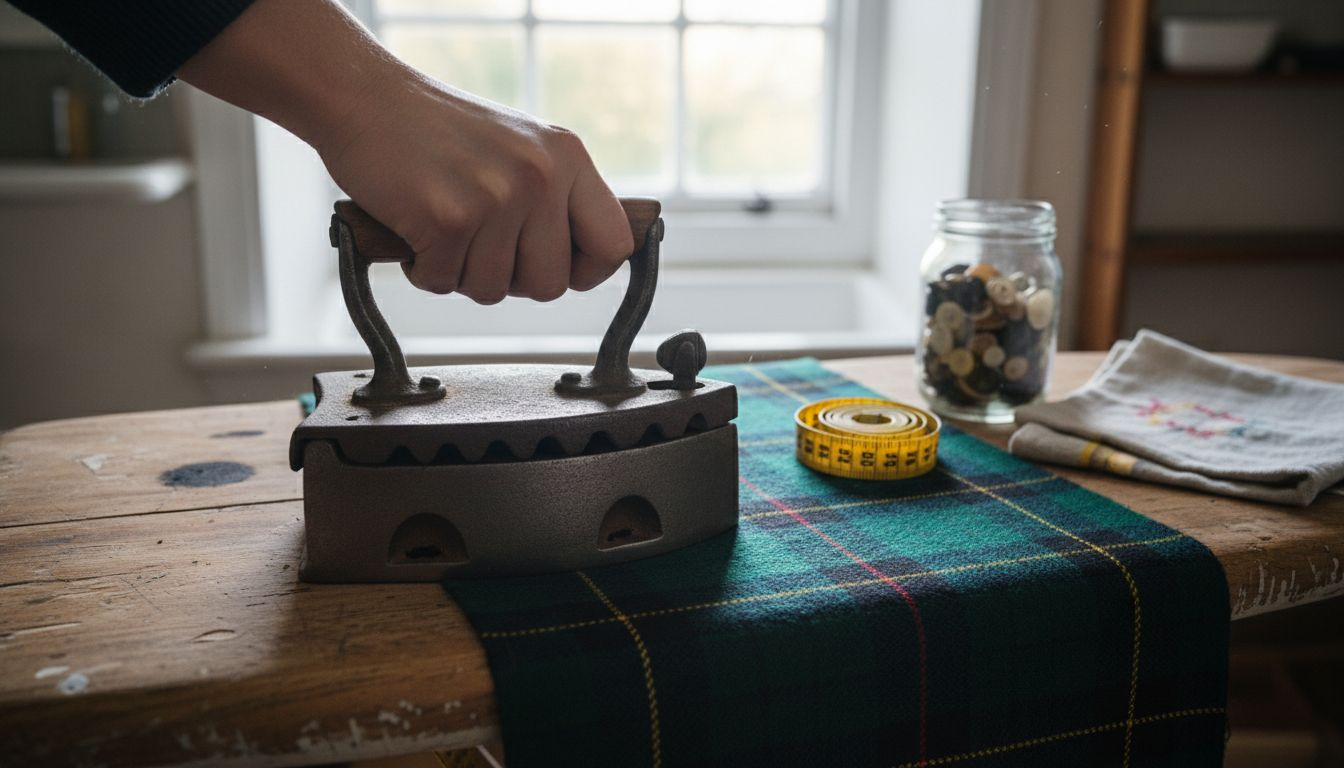
Expert tip: Iron your Harris tweed fabric before cutting to ensure a smooth, flat surface and prevent any distortion during the cutting process.
Step 4: Assemble and stitch the accessories
Transforming your carefully cut Harris tweed into stunning dog accessories requires precision stitching and thoughtful assembly. This stage brings your creative vision to life, turning fabric pieces into sophisticated, handcrafted accessories.
Begin by preparing your sewing techniques for professional-quality results. Your assembly process will involve several critical steps:
- Pin fabric pieces together carefully
- Use a sharp needle suitable for wool fabrics
- Select thread that complements Harris tweed colour
- Maintain consistent seam allowances
- Press seams flat after initial stitching
Bow tie construction demands particular attention. Start by folding the main rectangle, creating crisp edges and ensuring symmetry. The centre wrap should be positioned precisely to create a polished, professional look. For collars, reinforce stress points like buckle attachments and consider adding interfacing to maintain the tweed’s structure.
Patience and precision transform raw fabric into an elegant dog accessory.
Expert tip: Use a walking foot on your sewing machine when working with thick Harris tweed to ensure smooth, even stitching and prevent fabric distortion.
Step 5: Attach finishing touches and check quality
The final stage of crafting your Harris tweed dog accessories transforms your handmade piece from a project into a professional-quality product. This crucial phase ensures your accessory meets the highest standards of craftsmanship and durability.
Complete your accessory by implementing professional finishing techniques. Your quality control checklist should include:
- Trim loose threads meticulously
- Check all seam strengths
- Verify hardware attachments are secure
- Ensure smooth, flat edges
- Test overall flexibility and comfort
Hardware installation requires particular precision. Attach buckles, D-rings, and clasps with reinforced stitching, ensuring they can withstand active dogs’ daily wear. For bow ties, the centre wrap should be neatly tucked and invisibly secured, creating a polished, professional appearance.
Below is a summary of essential hardware options and their advantages for dog accessories:
| Hardware Piece | Durability Level | Typical Use |
|---|---|---|
| Buckle | Very robust | Collar fastening |
| D-ring | High strength | Lead attachment |
| Clasp | Medium strength | Quick bow tie release |
Attention to detail separates an ordinary accessory from an exceptional handcrafted piece.
Expert tip: Always test the finished accessory on your dog for a few minutes to confirm comfort and proper fit before considering the project complete.
Elevate Your Dog’s Style with Expertly Crafted Harris Tweed Accessories
Creating beautiful dog collars and bow ties from Harris Tweed requires precision, the right materials and expert guidance. Many find selecting authentic fabrics and mastering stitching techniques challenging when aiming for that perfect fit and elegance. Whether you struggle with fabric choices like pure virgin wool or need help polishing finishing touches this article’s insights highlight common hurdles in handcrafted dog accessory making.
Discover an easier path to timeless Scottish style and quality comfort with Handcrafted Dog Collars and Bow Ties made in Harris Tweed and Wool Tartan. We specialise in expertly tailored designs that blend traditional tartan patterns and durable craftsmanship suited for dogs of all sizes.
Transform your dog’s look today with accessories that celebrate authentic heritage and superior fit. Visit our website now to explore our exclusive collection and experience handcrafted excellence that brings every detail together with care. Don’t wait to give your dog the timeless charm of true Harris Tweed craftsmanship.
Frequently Asked Questions
What materials do I need to handcraft dog accessories from Harris tweed?
To handcraft dog accessories, you will need premium Harris tweed, sharp fabric scissors, measuring tape, pattern drafting paper, and a sewing kit that includes pins, needles, and thread. Gather all essential tools before starting your project to ensure a smooth crafting process.
How do I measure my dog for a collar or bow tie made from Harris tweed?
To measure your dog, use a flexible measuring tape and note their neck circumference for a collar and bow tie proportions. Make sure to take these measurements accurately, allowing for comfort by adding a small ease factor of around 1 cm.
What should I consider when choosing a tartan pattern for my dog’s accessories?
When selecting a tartan pattern, consider your dog’s coat colour and your personal aesthetic. Opt for traditional tartans like Royal Stewart for a bold statement or more subtle designs like MacKenzie for elegance, ensuring that the pattern complements both your dog’s appearance and your style.
How can I ensure a professional finish when sewing dog accessories with Harris tweed?
To achieve a professional finish, focus on precise measurements, consistent seam allowances, and meticulous cutting. Additionally, use a walking foot when sewing thick Harris tweed to ensure even stitching without fabric distortion.
What are the best practices for attaching hardware to dog collars or bow ties?
When attaching hardware like buckles and D-rings, ensure secure stitching at stress points for durability. Use reinforced stitches and check that all attachments are firmly in place to withstand regular use, providing safety and reliability for your dog’s accessories.
Recommended
- Red, Green And White Check HARRIS TWEED Dog Bow Tie | Happy Dogs Togs
- Large Blue And Teal Harris Tweed Dog Bow Tie | Happy Dogs Togs
- Green And Fawn Herringbone Harris Tweed Dog Collar | Happy Dogs Togs
- Grey And Black Herringbone Harris Tweed Dog Collar | Happy Dogs Togs
- Knitted V-Neck Dog & Cat Vest – Autumn/Winter College Style Pet Sweate – Pawfect Picks